Electrical panel relocation in Downtown St. Cloud: what to expect
Moving a panel in Downtown St. Cloud means permits, a new meter base, and a 1-3 day outage. Here is the 2026 cost, timeline, and code rundown.
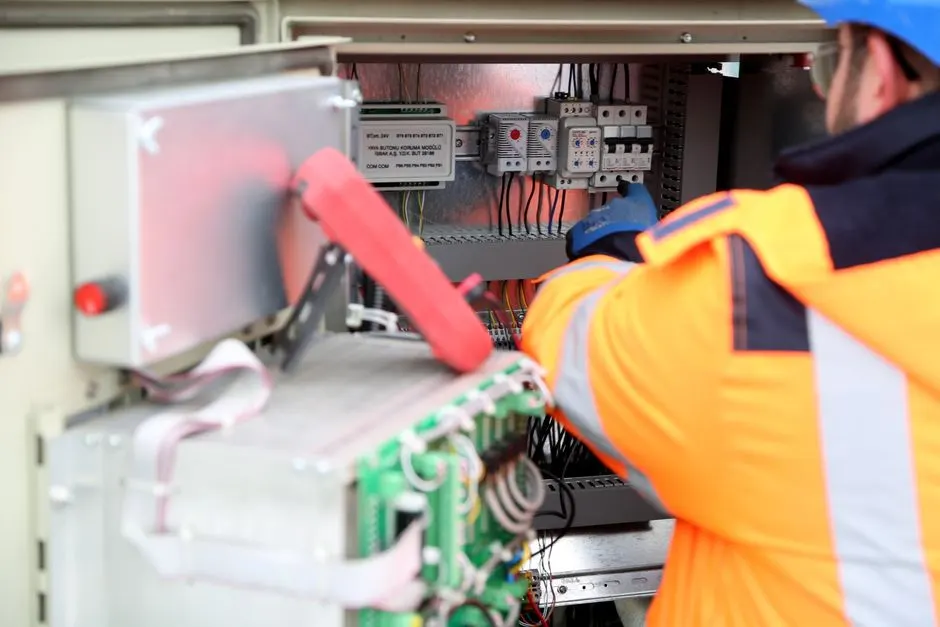
Electrical panel relocation in Downtown St. Cloud is the process of moving your main breaker panel from one wall or room to another, and it almost always requires a permit, a new meter base, and a planned power outage of one to three days. If your panel sits in a hallway, a closet, or a spot that floods when summer storms roll through, moving it is usually the cleanest fix. We do these jobs across the 34769 ZIP code every month, and the rest of this post walks you through the cost, the timeline, the code rules, and the mistakes that turn a two-day job into a two-week one.
Why Downtown St. Cloud Homeowners Move Their Panels
Downtown St. Cloud has a housing mix you do not see in the newer subdivisions off Canoe Creek Road: 1950s block homes, 1970s ranches, and a wave of renovated bungalows near Pennsylvania Avenue and New York Avenue. That age spread is why panel relocation comes up so often here.
The three reasons we hear most:
- Working clearance. The NEC requires 36 inches of clear space in front of a panel and 30 inches of width. A panel buried behind a water heater or inside a 24-inch closet fails that test, and it fails again at resale inspection.
- Water and weather. Panels mounted on exterior walls that catch afternoon storms end up with rusted enclosures and corroded bus bars. We see this constantly on older downtown blocks.
- Remodels and additions. Converting a carport, adding a mother-in-law suite, or finishing a garage usually pushes the old panel past its circuit capacity. If you are planning that kind of work, our team handles electrical panel upgrade for home addition St. Cloud FL projects where the panel has to move and grow at the same time.
If your panel is already showing rust, heat, or a burning smell, relocation is not the first call. Our rusted electrical panel St. Cloud FL page covers the emergency side of that problem.
What Does Electrical Panel Relocation in Downtown St. Cloud Actually Involve?
Electrical panel relocation is a service that disconnects your main service, installs a new panel and meter base at a code-compliant location, and re-routes every branch circuit to the new enclosure. It is not a swap in the same spot. The wires have to reach.
Here is the sequence we run on a typical downtown job:
- Load calculation and layout. We count existing circuits, add the new ones you need, and confirm the new location meets the 36-inch working clearance rule.
- Permit filing. St. Cloud requires an electrical permit for any panel relocation. We pull it before we touch a wire.
- Utility coordination. We schedule the meter pull with your utility so the service can be safely disconnected.
- New meter base and mast. A relocated panel almost always needs a new meter base. Our electrical meter base replacement St. Cloud FL work is usually bundled into the same visit.
- Panel install and circuit re-route. New enclosure, new breakers, every circuit landed and labeled.
- Inspection and re-energize. The city inspector signs off, the utility restores power, and we test every circuit under load.
Most downtown homes are on 100-amp service. If you are already moving the panel, going to 200 amps costs a few hundred dollars more in material and saves you a second project later. We handle that as a 100 amp to 200 amp electrical upgrade St. Cloud FL and it is the single most common add-on we sell on relocation jobs.
How Much Does Electrical Panel Relocation Cost in Downtown St. Cloud FL?
Typical 2026 pricing for electrical panel relocation in Downtown St. Cloud runs $2,400 to $5,800 for a residential job, with most single-story block homes landing between $3,200 and $4,400. The spread comes down to four things: distance from the old location to the new one, whether the meter base and mast get replaced, whether you upgrade amperage, and how much drywall and stucco has to be opened.
Here is how the line items break down:
- Panel and breakers: $450 to $1,100
- New meter base and mast: $400 to $900
- Branch circuit re-routing (per circuit): $45 to $110
- Permit and inspection fees: $150 to $350
- Drywall and stucco patching: $200 to $700
- Utility disconnect and reconnect: $0 to $250, depending on your provider
If the new location is more than 15 feet from the old one, expect the circuit re-route line to climb fast. Copper is not cheap, and every foot of new conductor has to be fished through existing walls.
We quote the whole job upfront, permit included, so you are not chasing change orders halfway through. For homeowners comparing us to other bids, our electrical panel relocation St. Cloud FL page lists what is covered.
How Long Does Electrical Panel Relocation Take in Downtown St. Cloud?
Plan on one to three days of on-site work, plus a gap of one to five business days for the inspection and utility reconnect. The on-site portion is fast. The scheduling around the utility and the inspector is what stretches the calendar.
A realistic timeline for a downtown St. Cloud relocation:
- Day 1: Permit pulled, meter disconnected, old panel removed, new location framed and mounted.
- Day 2: New meter base and mast set, panel landed, branch circuits re-routed and terminated.
- Day 3: Labeling, torque checks, ground and neutral verification, patching.
- Day 4 to 8: City inspection, then utility reconnect.
Your power is off for the bulk of day one and day two. If anyone in the house depends on medical equipment, tell us when you book and we will schedule around it or arrange a temporary feed.
Same-day electrical panel relocation in Downtown St. Cloud is not realistic for a full move. What we can do same-day is diagnose a failed panel and make it safe. That is what our emergency electrician St. Cloud FL line is for.
Permits and Code Requirements for Panel Location in Downtown St. Cloud FL
Yes, you need a permit to relocate your panel in St. Cloud. The city treats a relocation as a new service installation, not a repair, and that triggers a plan review and an inspection. Skipping it is the fastest way to fail a future home sale.
The code requirements that actually drive where the panel can go:
- Working clearance. 36 inches of depth in front, 30 inches of width, 6.5 feet of height. No storage, no water heater, no shelving.
- Not in a bathroom or clothes closet. The NEC prohibits panels in those spaces outright.
- Not over a step or stair. The panel needs a flat, stable surface.
- Service disconnect height. The main breaker handle must sit no higher than 6 feet 7 inches above the floor.
- Bonding and grounding. New ground rod, new grounding electrode conductor, and a bonded water line if metallic.
- AFCI and GFCI protection. Any circuit you touch during the move has to meet current code on the way back in.
One more thing downtown homeowners run into: if your home sits in a designated flood zone, the new panel location may have to be raised above the base flood elevation. We check that before we quote, not after.
If the new location ends up feeding a detached garage, a pool pump, or a workshop, we usually add a subpanel installation St. Cloud FL at the same time so you are not running 80 feet of feeder for one circuit.
Common Mistakes We See on Panel Relocation Jobs
Most of the bad relocation jobs we get called to fix were done by someone who skipped a step. Here is what to watch for.
- Moving the panel but keeping the old meter base. The utility will not reconnect to a corroded socket. It gets replaced or the job stalls.
- Ignoring the 36-inch rule at the new spot. We have seen panels moved from one blocked closet to another blocked closet. Same failed inspection, double the cost.
- Not updating the load calculation. A 100-amp panel that was already maxed out does not get better by moving it. If you are adding an EV charger, plan the amperage now. Our electrical panel upgrade for EV charger St. Cloud FL page explains the load math.
- Reusing old breakers. Breakers that have been tripping for a decade do not belong in a new enclosure.
- No labeling. Every circuit gets a printed label. Future you, and the next electrician, will thank you.
- Doing it without a permit. Unpermitted work shows up in title searches and insurance claims. It is not worth the savings.
One more: skipping surge protection while the panel is open. Adding electrical panel surge protection St. Cloud FL during a relocation costs a fraction of what it costs as a standalone visit, and Central Florida's afternoon storm season is hard on electronics.
When to Call a Professional
Call a licensed electrician the moment you decide to move the panel. This is not a job where the DIY path saves money. The service conductors stay live until the utility pulls the meter, and one wrong move on the line side is fatal.
We handle the whole chain: permit, utility coordination, meter base, panel, circuit re-route, inspection, and reconnect. You make one phone call and we deal with the city and the utility. If you are comparing providers, our Electrical Panel Upgrade Replacement St. Cloud FL service covers relocations, upgrades, and emergency repairs across the city.
If you are in one of the surrounding neighborhoods rather than downtown proper, we cover those too. Homeowners in the older blocks around Electrical Panel Upgrade Replacement in Southside St. Cloud deal with the same 1950s and 1960s service equipment we see downtown.
Frequently Asked Questions
How much does electrical panel relocation cost in Downtown St. Cloud FL?
Most residential relocations in Downtown St. Cloud run $2,400 to $5,800 in 2026, with a typical single-story block home landing near $3,800. That figure includes the permit, a new meter base, and circuit re-routing. Distance from the old location, amperage upgrades, and drywall patching are the three biggest variables.
Can I move my electrical panel myself in Downtown St. Cloud Florida?
No. The work sits on the line side of the meter, and the utility will not reconnect a homeowner-installed service. St. Cloud also requires a licensed electrical contractor to pull the permit. Doing it yourself risks a failed inspection, a denied insurance claim, and serious injury.
How long does electrical panel relocation take in Downtown St. Cloud?
One to three days of on-site work, then one to five business days for inspection and utility reconnect. Your power is off for most of the first two days. We schedule the outage window with you before we start so you can plan around it.
Do I need a permit to relocate my panel in Downtown St. Cloud?
Yes. St. Cloud classifies a panel relocation as a new service installation, so it requires an electrical permit and a passing inspection. We pull the permit for you and meet the inspector on site. Unpermitted panel work is a common finding during home sales.
What are the code requirements for panel location in Downtown St. Cloud FL?
The panel needs 36 inches of clear space in front, 30 inches of width, and 6.5 feet of height. It cannot go in a bathroom or clothes closet, cannot sit over a step, and the main breaker handle must be no more than 6 feet 7 inches off the floor. Flood-zone homes may need the panel raised above base flood elevation.
Get Help with Electrical Panel Upgrade Replacement in St. Cloud
Moving a panel in Downtown St. Cloud is a permit job, a utility job, and a wiring job all at once. We do all three, and we quote the whole thing upfront before we start.
Call St. Cloud Panel Works at (321) 335-1162 and we will walk your panel location, confirm what the city will require, and give you a firm number.