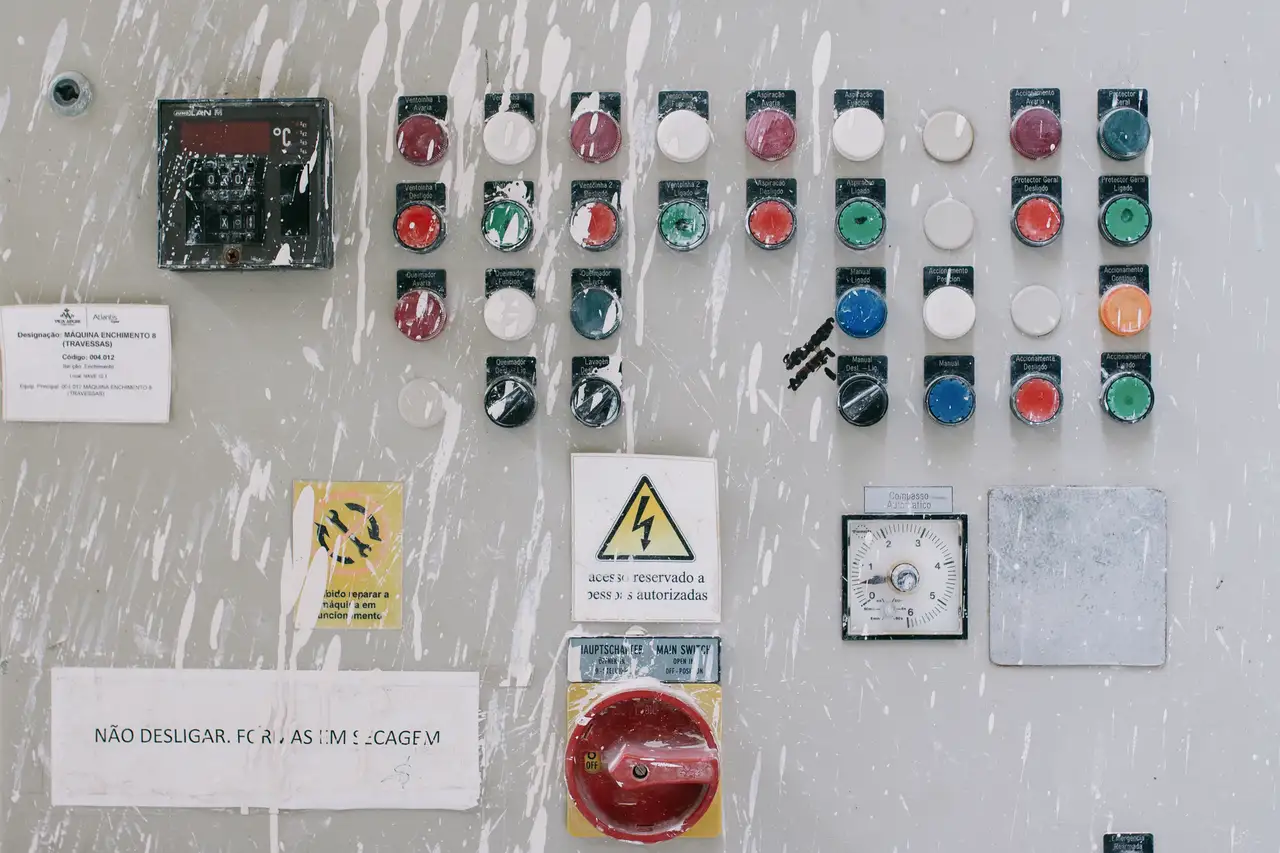
Electrical Panel Upgrade for EV Charger
Electrical Panel Upgrade for EV Charger St. Cloud FL
An electrical panel upgrade for EV charger St. Cloud FL homeowners can count on starts with knowing your service capacity. Most St. Cloud homes built before 1990 still run 100 amp service, which cannot carry a 40 to 50 amp Level 2 charger alongside an AC unit and electric range. We size the panel, pull the Osceola County permit, and install the breaker and conduit so your charger runs at full speed without tripping.
Service overview
Electrical Panel Upgrade for EV Charger St. Cloud FL
An electrical panel upgrade for EV charger St. Cloud FL work replaces your existing load center with a larger service panel, usually 200 amps, and adds a dedicated 240-volt circuit for Level 2 charging. The job covers the new panel, main breaker, bus bar, and grounding wire, plus a 40 or 50 amp double-pole breaker for the charger. We mount a NEMA 14-50 receptacle or hardwire the unit, run conduit from the panel to the parking spot, and torque every lug to the manufacturer spec printed on the label.
St. Cloud homes near the Mississippi Riverfront District and the older blocks off 10th Street often still have 100 amp service or a fuse box. Add a 48 amp charger and those panels run hot, buzz, or trip the main breaker when the AC kicks on. If you have been searching for an electrical panel upgrade for EV charger in St. Cloud FL near me, the first step is a load calculation. We measure existing demand, then tell you whether a 200 amp panel upgrade for EV charger St. Cloud FL is required or a subpanel will do.
Practical benefits
Why Upgrade Your Panel for EV Charging
A correctly sized panel is the difference between a charger that works every night and one that nuisance-trips at 2 a.m. Here is what a proper upgrade delivers for St. Cloud drivers.
Full-Speed Charging
A 200 amp panel with a dedicated 50 amp circuit lets a Level 2 charger deliver 9.6 kW, roughly 30 to 40 miles of range per hour. On a shared 100 amp service you would have to dial the charger down to 16 or 24 amps, which doubles your charge time and defeats the purpose of the upgrade.
Code-Correct Permits
Osceola County requires an electrical permit for any service change or new 240-volt circuit. We pull the permit, meet the inspector, and leave you with a signed-off job that satisfies NEC Article 625 for EV supply equipment. Unpermitted charger circuits can stall a home sale and void insurance claims.
Room for Future Loads
A 200 amp panel leaves 4 to 6 open breaker spaces after the charger, AC, range, and dryer are accounted for. That headroom matters if you add a hot tub, a shop subpanel, or a Generac standby generator later. Planning once saves you from paying for a second service upgrade in three years.
Ends Tripping and Heat
If your lights flicker when the AC starts or the panel cover feels warm, the service is already overloaded. Adding a charger to that setup is asking for trouble. We replace the panel, upgrade the service entrance cable, and verify voltage drop under load with a clamp meter before we call the job done.
How service works
How Our EV Charger Panel Upgrade Works
Every job follows the same five steps, from the first phone call to the final inspection. Most St. Cloud homes are back on full power the same day.
STEP 01
Load Calculation
We start with a demand load calculation on your existing service, checking the main breaker rating, meter base, and service entrance cable. We note every 240-volt appliance and the charger's nameplate amperage. This takes about 45 minutes and tells us whether a 200 amp upgrade is required or a smaller fix will pass.
Tools and methods
Tools and Methods We Use
Clamp meter and multimeter
Used to measure actual load on the service and verify voltage at the charger under full demand. We record readings before and after the upgrade so you can see the difference.
Thermal imaging camera
Scans the panel and terminations for hot spots after the install. Any connection running warmer than its neighbors gets re-torqued or replaced before we leave.
Torque screwdriver and insulated gloves
Every lug and breaker terminal is tightened to the manufacturer's printed inch-pound spec. Insulated gloves and NFPA 70E practices protect the crew during the live verification.
Conduit bender and fish tape
Used to route EMT or PVC conduit from the panel to the charger location and pull conductors through finished walls with minimal drywall damage.
Circuit breaker finder and panel labeling kit
We map every circuit before disconnecting and label the new panel clearly, so the next person who opens it knows exactly what feeds what.
NEC Article 220 load calculation
We total the general lighting load, small appliance circuits, and all 240-volt appliances, then apply demand factors to size the service. This is the calculation the county inspector checks, and it is why we never guess at panel size.
NEC Article 625 EV supply equipment compliance
Charger circuits get GFCI protection where required, a disconnect within sight if the panel is far away, and conductors sized for continuous duty at 125 percent of the charger's rated amperage. We build to the article, not to the minimum that happens to pass.
NFPA 70E safe work practices
Service work involves energized equipment until the meter is pulled. Our crews follow arc-flash boundaries, wear the correct PPE, and verify absence of voltage before touching conductors.
UL Listed and ETL Listed equipment only
We install panels, breakers, and receptacles that carry UL or ETL listing. That keeps the manufacturer warranty valid and satisfies the inspection requirement for listed equipment.
Where this service fits
When St. Cloud Homeowners Need This Upgrade
New EV owner in a 1980s St. Cloud home with 100 amp service and a garage on the opposite side of the house.
We run the load calculation, upgrade to a 200 amp panel, replace the meter base, and pull a 50 amp circuit through conduit to the garage, about 55 feet from the panel. The owner charges at 9.6 kW overnight, roughly 35 miles of range per hour, with no tripping and a passed county inspection.
Family adding a second EV and needing two chargers but the panel has only one open slot.
We install a 200 amp panel with eight spare spaces and run two dedicated 240-volt circuits, one to each side of the garage, with separate breakers. Both vehicles charge simultaneously on schedule, and the panel still has room for a future hot tub or shop subpanel.
Home near the St. Cloud State University Area with a rusted outdoor panel and a tenant requesting EV charging.
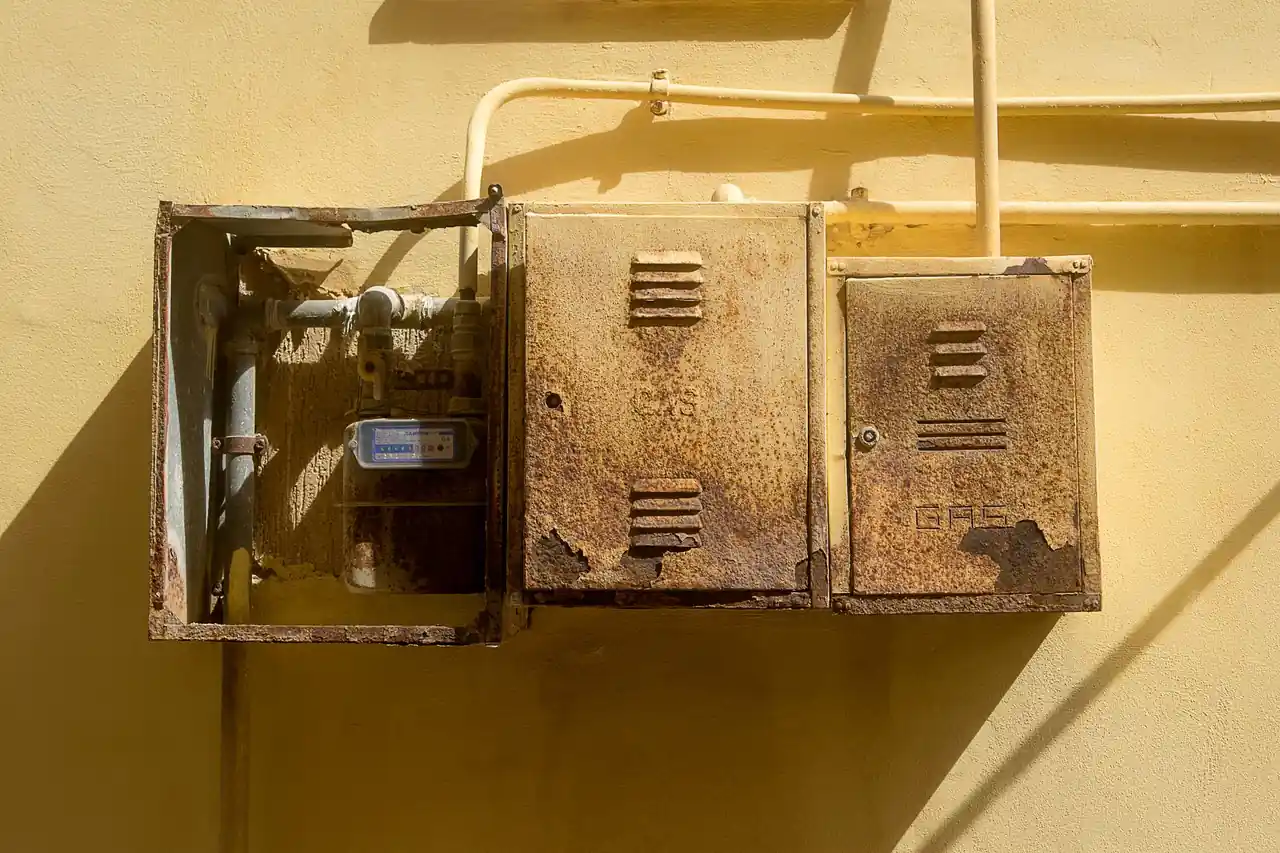
We replace the outdoor panel with a NEMA 3R enclosure, reseal the service entry, upgrade the grounding, and add a charger circuit with a lockable disconnect. The landlord passes inspection, the tenant charges on site, and the new panel ends the moisture problem that was corroding breakers.
Homeowner planning a Generac standby generator and an EV charger at the same time.
We size the service to 320 amps, install the transfer switch, and land both the generator feed and the charger circuit on the new panel with clear labeling. One upgrade covers both projects, the homeowner avoids a second service change, and the generator and charger never compete for capacity.
Local execution
How EV Charger Panel Upgrades Run in St. Cloud
St. Cloud sits in Osceola County, and the housing stock splits into two clear groups. Older homes near Downtown and the Mississippi Riverfront District often have 100 amp service, fuse boxes, or outdoor panels that have taken decades of Florida humidity. Newer construction on the southeast side usually has 200 amp service but only one or two open breaker slots. Both situations need a real load calculation before anyone quotes a charger circuit. Summer heat matters too: when the AC runs continuously in July and August, an undersized panel shows its limits fast, and that is when we get the most calls about flickering lights and tripped mains. If you are pricing the cost of panel upgrade for EV charger in St. Cloud Florida, plan on the permit and inspection timeline as part of the job. We file with Osceola County, coordinate the utility meter pull, and schedule the inspector so your charger is legal and your insurance stays intact. Afternoon thunderstorms also drive surge damage, so we often add whole-home surge protection at the panel while the cover is off.
Downtown St. Cloud
Older homes with 100 amp service and fuse boxes are common here. Most need a full 200 amp upgrade before a Level 2 charger can be added.
Southeast St. Cloud
Newer construction with 200 amp panels, but often only one or two open slots. A subpanel or a panel swap with more spaces solves it.
Mississippi Riverfront District
Outdoor panels take the brunt of humidity and storms. We replace rusted enclosures with NEMA 3R rated panels and reseal the service entry.
St. Cloud State University Area
Rental properties and older duplexes where charger circuits often need a lockable disconnect and separate metering considerations.
Summer heat pushing AC units to run continuously
Continuous AC load exposes an undersized service. Panels that seemed fine in winter trip the main breaker in July, which is why we size the charger circuit with the AC running in mind.
High humidity and afternoon thunderstorms
Moisture corrodes outdoor panels and meter bases, and lightning surges damage charger electronics. We seal service entries and recommend whole-home surge protection on every upgrade.
Osceola County permit and inspection requirements
Any service change or new 240-volt circuit needs a permit and inspection. We handle the filing and the site visit so the job closes out clean and the record follows the address.
Problems we solve
EV Charger Panel Problems We Solve in St. Cloud
Most St. Cloud homes were never wired for a 48 amp continuous load in the garage. These are the problems we see on nearly every EV charger panel upgrade call, and how we fix them.
No open breaker spaces in the panel
We either install a subpanel fed from the main service or upgrade to a 200 amp panel with room for the charger plus future loads. The subpanel route works well for detached garages where the run from the main panel is long. Without a spare double-pole slot, there is nowhere to land the charger circuit. Homeowners sometimes double up breakers, which overloads the bus bar and fails inspection.
100 amp service cannot carry the charger
We upgrade the service to 200 amps, replace the service entrance cable and meter base, and install the charger circuit. The load calculation confirms the new capacity before we order parts. A 100 amp panel with an electric range, dryer, and AC is already near capacity. Adding a 40 amp charger causes the main breaker to trip, especially on hot afternoons when the AC cycles on.
Panel runs hot or buzzes under load
We inspect with a thermal imaging camera, torque all terminations to spec, and replace any damaged breakers or the panel itself. If the service is undersized, we upgrade it before adding the charger. Heat and buzzing at the panel point to loose terminations or a failing main breaker. Left alone, they can arc, damage the bus bar, and create a fire risk in the wall.
Old fuse box or recalled panel brand
We replace the fuse box or recalled panel with a modern load center, install AFCI and GFCI breakers where code requires, and bring the grounding up to current NEC standards before wiring the charger. Fuse boxes and recalled panels like Zinsco or Pushmatic cannot safely support a modern EV charger. Insurance carriers and home inspectors flag them, and parts are no longer reliable.
A practical standard for every visit.
Clear planningPrepared arrivalsCareful workLocal follow-through
Experience in the details
Panel Upgrade Experience You Can Verify
Our electricians hold Florida Electrical Contractor licensing and work to NEC and NFPA 70E standards on every job. We have completed hundreds of service upgrades across Osceola County, from 100 amp fuse box replacements in older St. Cloud neighborhoods to 400 amp commercial services. Every technician carries OSHA 10 or OSHA 30 training, and we use UL Listed and ETL Listed equipment only. If your charger install needs a load calculation, a meter base replacement, or a full service change, we do that work in-house rather than subcontracting it out.
- State-licensed electrical contractor serving Osceola County and greater St. Cloud
- NEC Article 625 compliance for EV supply equipment on every charger circuit
- Load calculations performed to NEC Article 220 before any panel is quoted
- Thermal imaging camera used to verify terminations after every upgrade
- OSHA 10 and OSHA 30 trained crews working to NFPA 70E arc-flash standards
Notes from local customers
What St. Cloud Customers Say
Our 1970s house still had a 100 amp panel and the charger kept tripping the main. St. Cloud Panel Works ran the load calc, quoted a 200 amp upgrade, and had it inspected in three days. The panel is labeled clean and the charger pulls the full 48 amps now. No more tripped breakers at night.
I wanted a Level 2 charger in the garage but had no open breaker spaces. They installed a subpanel and ran conduit to the charger in one afternoon. The electrician walked me through the new breakers and left photos of the terminations. Price matched the quote exactly.
Our panel was rusted and buzzing, and we were told it needed a full service change before any EV charger could go in. They replaced the meter base and panel, fixed the grounding, and added the charger circuit. The county inspector signed off first visit. Solid work.
Most St. Cloud panel upgrades for EV charging run $1,800 to $3,500 in 2026, including the 200 amp panel, breakers, permit, and a charger circuit up to 40 feet away. A simple subpanel addition can land closer to $900 to $1,500. Long conduit runs, meter base replacement, or a service mast rebuild push the number higher. We quote a fixed price after the load calculation.
If your home has 100 amp service, yes, you almost always need a 200 amp upgrade to run a 40 to 50 amp Level 2 charger safely. Homes with 200 amp service and two or more open breaker spaces often just need a new dedicated circuit. We confirm with a load calculation before recommending anything, so you are not paying for a panel you do not need.
The panel swap itself takes four to six hours, and the charger circuit adds two to four hours depending on conduit distance. Most jobs are finished in one day with power restored by late afternoon. The county inspection typically happens within one to three business days after we finish, and we schedule that for you.
A 200 amp panel is the standard answer for a single-family St. Cloud home with central AC, electric range, and a Level 2 charger. If you have a heat pump, electric water heater, and plan to add a generator or shop subpanel, a 320 or 400 amp service can make more sense. We run the NEC Article 220 calculation and size it to your actual loads.
Keep exploring
Related Services
Your next step is waiting
Get Your Electrical Panel Upgrade for EV Charger St. Cloud FL
We size the panel, pull the Osceola County permit, and install the charger circuit at a fixed price. Same-day estimates and 24/7 emergency service for hot or buzzing panels. Call (321) 335-1162 and we will tell you exactly what your home needs.
Start with the basics
Call St. Cloud Panel Works
We answer the phone 24/7 for emergency panel calls and schedule standard estimates Monday through Friday. Give us a call at (321) 335-1162 or send an email and we will get back to you the same day. If your panel is buzzing, hot, or smelling like burnt plastic, call instead of emailing.