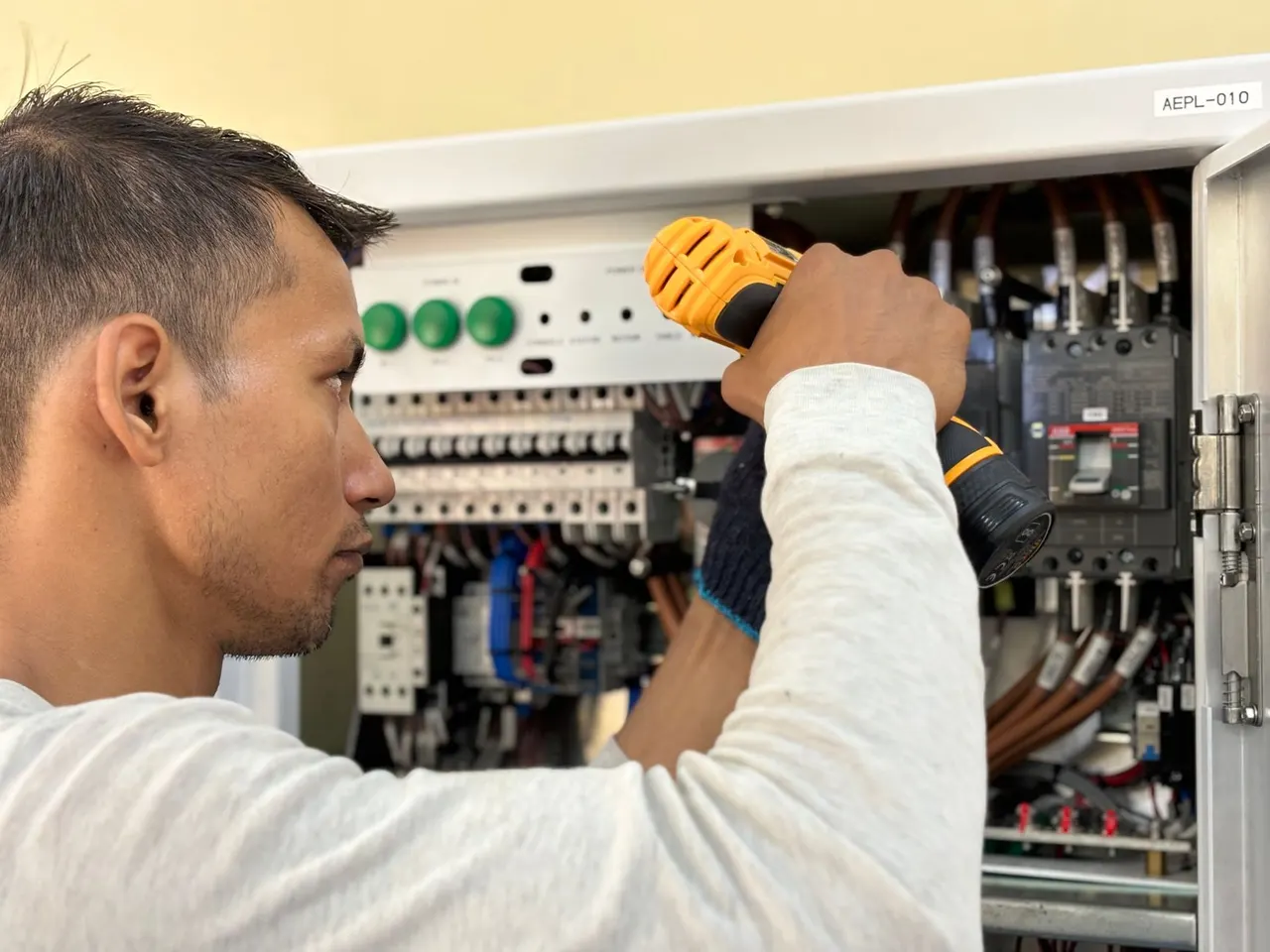
Electrical Panel Relocation
Electrical Panel Relocation St. Cloud FL Done Right
Electrical panel relocation St. Cloud FL homeowners can count on means moving your main service panel to a safer, more practical spot without cutting corners. We handle the permit, the new service entrance cable, the grounding, and the final inspection. Whether you are clearing a wall for a renovation, moving the panel to the garage, or getting it out of a damp closet, our licensed electricians do the job in Osceola County and leave you with a labeled, code-correct panel.
Service overview
What Electrical Panel Relocation St. Cloud FL Involves
Electrical panel relocation St. Cloud FL is the licensed trade of moving your main breaker panel from one wall or room to another while keeping every circuit in your home powered and legal. It is not a DIY swap. We kill power at the meter, pull the old panel, run new service entrance cable and conduit to the new location, re-terminate every branch circuit, re-ground the system, and install fresh breakers. A typical relocation also includes a new panel cover, a panel labeling kit, and a torque screwdriver pass on every lug so connections meet NEC torque specs.
Most St. Cloud homeowners call us because the panel is in the wrong place. Maybe it is buried behind a water heater in a 1970s build near Downtown St. Cloud, or it sits in a hallway closet with no working clearance. Maybe you are adding a home office and the panel is the only thing in the way. We also get calls from Waite Park and Sartell where a full electrical panel has no room for an EV charger or a generator interlock. If you have been searching for electrical panel relocation in St. Cloud FL near me, we are the local crew that pulls the permit and does the work.
Practical benefits
Why Homeowners Relocate Their Electrical Panel
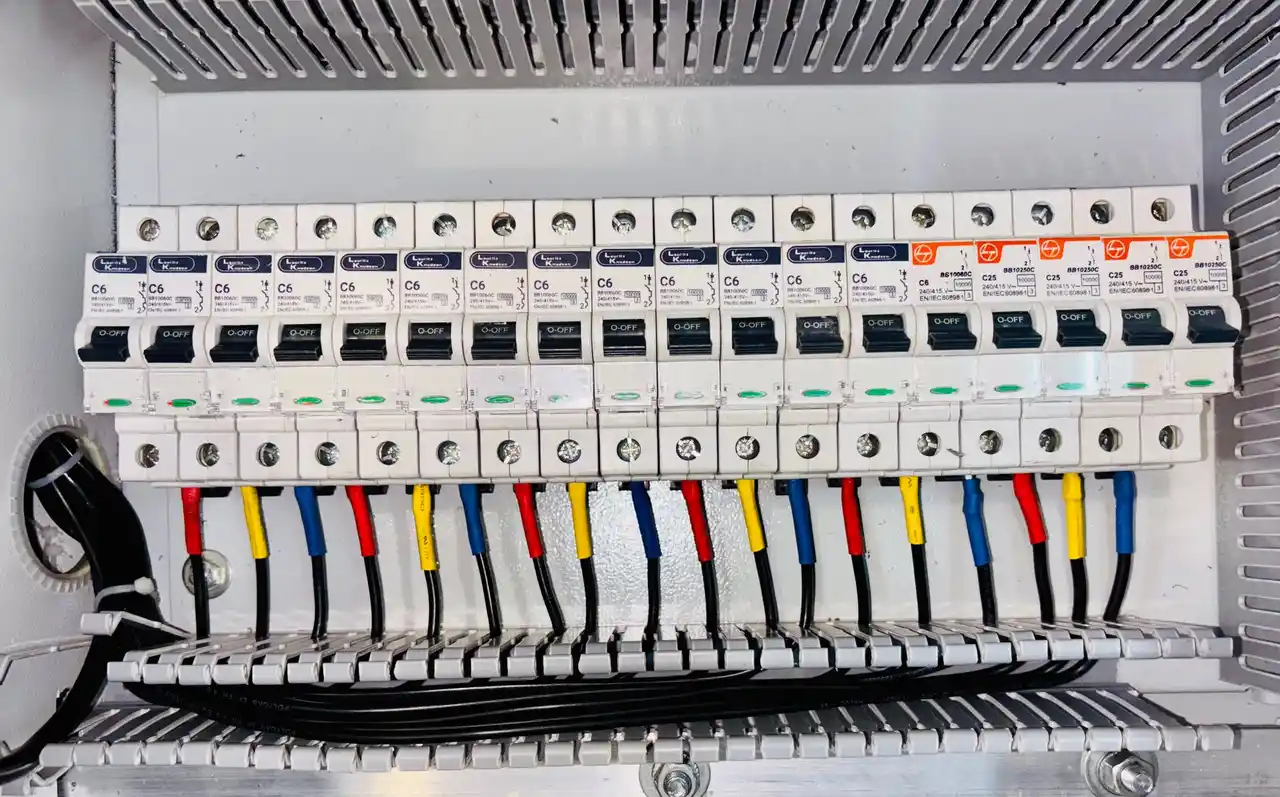
Moving a panel is not cosmetic. It fixes clearance problems, gets sensitive electronics away from moisture, and opens up walls for real renovations. Here is what a proper relocation buys you.
Code-Correct Clearance
NEC 110.26 requires 36 inches of clear working space in front of a panel, 30 inches wide, and 6 feet 6 inches of headroom. A panel jammed behind a water heater or in a shallow closet fails that test. We move it to a spot that passes inspection the first time, which matters when you sell or refinance.
Room for Real Upgrades
A relocation is the perfect time to go from an outdated 100 amp service to a 200 amp panel. That extra capacity covers a heat pump, an EV charger, a tankless water heater, or a Generac transfer switch. Doing both jobs at once saves you a second permit and a second service disconnect fee.
Away From Water and Heat
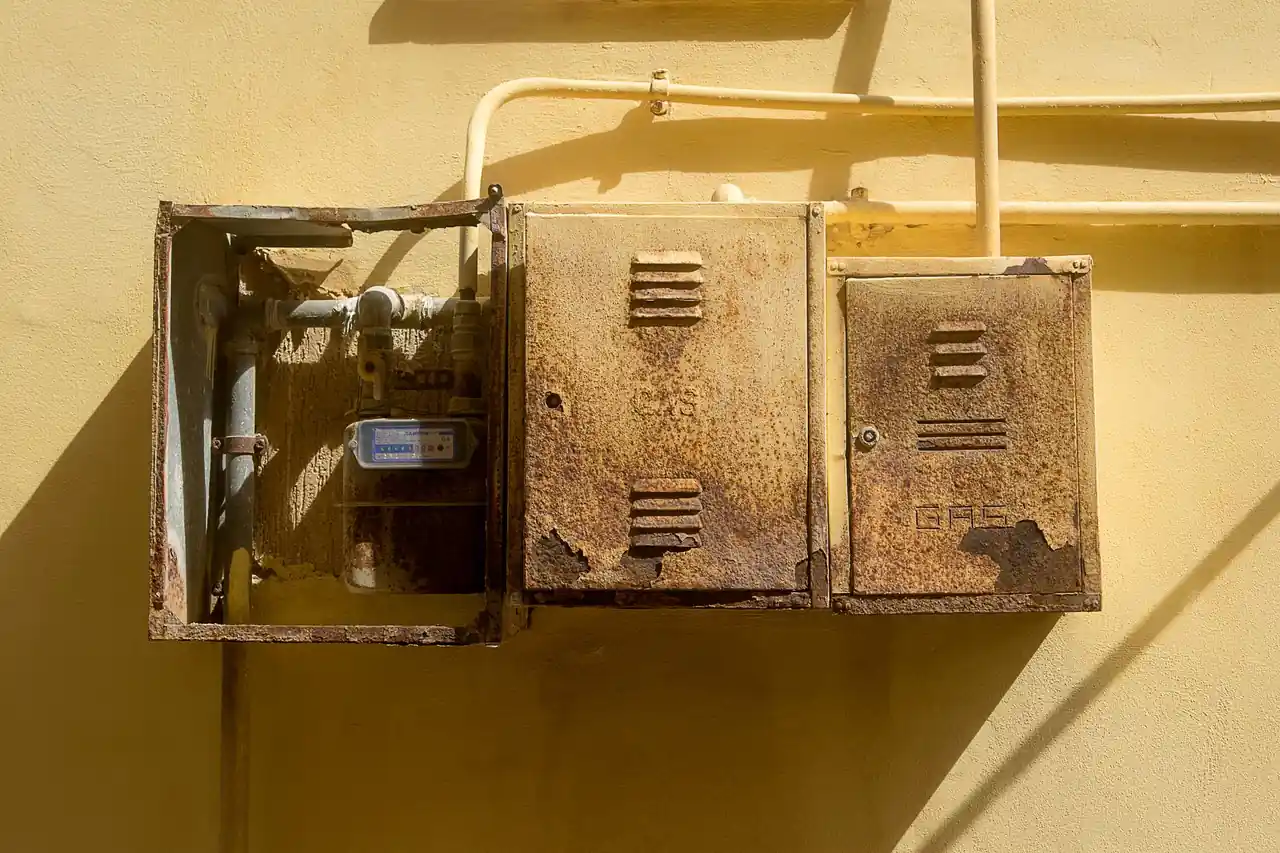
We see rusted panel enclosures and water damaged panels in garages and laundry rooms across Southeast St. Cloud. Moving the panel to a dry interior wall stops the corrosion that eats bus bars and breaker terminals. It also gets the panel off a hot exterior wall, which keeps breakers from nuisance tripping in July.
Cleaner Circuit Layout
Every circuit gets re-labeled and mapped during a relocation. You end up with AFCI and GFCI breakers where they belong, a tidy panel labeling kit on the door, and a schedule you can actually read. Future troubleshooting drops from an hour of guessing to a two-minute look at the legend.
How service works
How Our Panel Relocation Process Works
Five steps, one permit, one inspection. Here is exactly what happens from your first call to the final walkthrough, and how long each stage takes.
STEP 01
Walkthrough and Quote
We come out, open the panel, and check your service size, meter base, and grounding electrode. We look at where you want the new panel and confirm you have the clear working space NEC requires. You get a written price the same day, usually within two hours of the visit. No charge for the estimate.
Tools and methods
Tools and Methods We Use on Every Job
Multimeter and Clamp Meter
Used to verify voltage at every circuit after power-up and to measure current draw on the service conductors. The clamp meter confirms the load is balanced and within the panel rating.
Circuit Breaker Finder
Traces each branch circuit back to its breaker during re-termination. This is how we build an accurate panel legend instead of guessing which breaker feeds the kitchen.
Torque Screwdriver
Every breaker lug and neutral bar screw gets torqued to the manufacturer spec. Loose terminations are the number one cause of hot spots and nuisance tripping in relocated panels.
Thermal Imaging Camera
Scans the panel after power-up to find any connection running hotter than the rest. It catches a bad lug or failing breaker before it becomes a burning smell or a service call.
Fish Tape and Conduit Bender
Used to pull new service entrance cable and branch conductors through finished walls with minimal drywall damage. Clean conduit bends keep the new run inspection-ready.
Insulated Gloves and Voltage Tester
NFPA 70E-rated PPE for the meter disconnect and any live verification. We test before we touch, every time, even on a circuit we just killed.
NEC 110.26 Working Clearance
We lay out the new panel location to give 36 inches of clear space in front, 30 inches of width, and 6 feet 6 inches of headroom. That is the standard the Osceola County inspector checks first, and it is why we measure before we mount.
Load Calculation per NEC Article 220
Before we size the new service, we run a load calculation on the existing and planned circuits. That tells us whether 200 amps is enough or whether you need to step up further for an EV charger, heat pump, or generator.
Grounding per NEC Table 250.66
We size the grounding electrode conductor to the service conductors and bond the water and gas piping. A proper ground is what makes breakers trip when they should instead of letting a fault sit in the panel.
NFPA 70E Arc-Flash Procedure
We treat every panel as energized until we prove otherwise. That means insulated gloves, a voltage tester, and a documented disconnect sequence before we remove a cover or pull a meter.
Where this service fits
When St. Cloud Homeowners Relocate a Panel
A homeowner in Southeast St. Cloud is finishing a garage conversion and the panel sits on the wall where the new bedroom goes.
We relocate the panel to the opposite exterior wall, run new service entrance cable, and add AFCI breakers for the new bedroom circuits. The permit covers both the relocation and the new circuits in one inspection. The conversion passes inspection, the panel is out of the living space, and the homeowner has spare breaker slots for future work.
A 1970s home near Downtown St. Cloud still has a 100 amp panel in a hallway closet with no working clearance.
We move the panel to the garage, upgrade the service to 200 amps, and install a new meter base and mast. The utility coordinates the reconnect and we handle the Osceola County inspection. The homeowner gains capacity for a heat pump and EV charger, and the panel now meets NEC clearance rules.
A property manager in Waite Park has a rental with a rusted panel in a laundry room that keeps tripping.
We replace the enclosure with a NEMA 3R panel, relocate it to a dry hallway wall, and replace the corroded breakers. We also install whole-home surge protection since the unit sits on an exposed lot. The nuisance tripping stops, the unit passes inspection, and the manager avoids an emergency call during the next storm season.
A homeowner in the St. Cloud Hospital Area is adding a standby generator and needs room for a transfer switch.
We relocate the panel to a clean wall, install a Generac transfer switch, and land the generator feed on a dedicated breaker. We size the feeder and grounding to the generator spec. The generator runs the whole house during outages, and the panel has a labeled breaker for the transfer switch that any future electrician can read.
Local execution
How Panel Relocation Runs in St. Cloud
St. Cloud sits in Osceola County, and the local building stock shapes how we relocate panels here. Downtown and the Mississippi Riverfront District have 1950s and 1960s block homes with panels in laundry rooms, hallways, and closets that never met modern clearance rules. Southeast St. Cloud and the Narcoossee corridor have 1980s and 1990s subdivisions where the panel is often in the garage, exposed to humidity and the afternoon sun. That heat matters. A panel on a west-facing garage wall in July can run 20 to 30 degrees hotter than one on a shaded interior wall, which shortens breaker life and causes nuisance tripping. We also deal with sandy soil that corrodes grounding rods faster than the national average, so we check the electrode on every relocation. If you need to move electrical panel to garage St. Cloud FL, or relocate one out of a wet laundry room, we know the wall types, the framing, and the inspection quirks in each part of town. We pull the Osceola County permit and schedule the utility disconnect so the job runs on your timeline, not the county's.
Downtown St. Cloud
Older block homes with panels in closets and laundry rooms. We frequently relocate to the garage and upgrade from 100 amp to 200 amp service in the same visit.
Southeast St. Cloud
1980s and 1990s subdivisions where panels sit on hot garage walls. Moving them to a shaded interior wall stops nuisance tripping during summer AC season.
West Side St. Cloud
Mix of older and newer builds. Many relocations here are tied to home additions and pool equipment, which need dedicated breaker space.
Waite Park
Rental-heavy area with rusted panels in laundry rooms. We replace the enclosure, relocate to a dry wall, and add surge protection for storm season.
High summer humidity and afternoon storms
Garage panels corrode faster here than in drier climates. We relocate them to interior walls and use NEMA 3R enclosures when an exterior location is unavoidable.
Sandy soil that corrodes grounding rods
We inspect the grounding electrode on every relocation and drive a new rod when the existing one is pitted or undersized for the new service.
Older homes with 100 amp service
Most relocations in Downtown and Southside St. Cloud pair with a 200 amp upgrade so the new panel has capacity for modern loads.
Problems we solve
Panel Problems We Fix During Relocation
Most relocations start with a symptom, not a floor plan change. Here are the four calls we get most often in St. Cloud, and what we do about each one.
Panel buried behind a water heater or in a closet
We relocate the panel to a wall with the full 36 inches of clear space NEC 110.26 requires. We frame and mount the new enclosure, run new conduit, and re-terminate every circuit. The old location gets patched and finished so the wall looks original. You cannot safely work on the panel, and it fails NEC working-clearance rules. That becomes a real problem at inspection or when you sell the house.
Rusted or water damaged panel in a garage
We replace the enclosure with a NEMA 3R or indoor panel and move it to a dry interior wall. We replace the meter base if it shows the same corrosion, and we re-ground the system with a fresh grounding wire and rod. Corrosion eats bus bars and breaker terminals, which causes hot spots, nuisance tripping, and eventually a failed main breaker. It is a fire risk hiding behind a cover.
Full panel with no room for an EV charger
We relocate the panel and upgrade to a 40-space enclosure, then land a dedicated 240V circuit on a GFCI breaker sized for your charger. If the load calculation supports it, we go to 200 amp service at the same time. No open breaker slots means no dedicated 240V circuit, so you cannot install the charger you already bought. Double-tapping a breaker to make room is a code violation and a real hazard.
Flickering lights when the AC starts
We check the service entrance, tighten every termination to spec, and run a load calculation. If the service is undersized, we fold a 100 amp to 200 amp upgrade into the relocation so the whole system is right. Voltage drop on startup points to an undersized service or a loose neutral at the panel. Left alone, it stresses your compressor and every motor in the house.
A practical standard for every visit.
Clear planningPrepared arrivalsCareful workLocal follow-through
Experience in the details
Local Experience You Can Verify
Our electricians hold Master Electrician License and Journeyman Electrician License credentials in Florida, and every tech on the truck carries OSHA 10 or OSHA 30 training plus NFPA 70E arc-flash awareness. We work to NEC and pull Osceola County Electrical Permit on every relocation, no exceptions. We have moved panels in 1950s block homes near the Mississippi Riverfront District, in 1980s subdivisions off Canoe Creek Road, and in newer builds out by Narcoossee. We know how St. Cloud's sandy soil treats grounding rods, and we know which inspectors want to see a bonding jumper on the water line. That local experience is why our relocations pass inspection the first time.
- State-licensed electrical contractor with Master and Journeyman credentials on staff
- Every relocation permitted through Osceola County and inspected before power-up
- NFPA 70E arc-flash procedures followed on every panel disconnect
- Thermal imaging camera used to verify breaker and lug temperatures after power-up
- UL Listed and ETL Listed panels and breakers only, never salvage gear
Notes from local customers
What St. Cloud Customers Say
Our panel was buried in a closet behind the water heater, and no electrician would touch it without moving it. St. Cloud Panel Works pulled the permit, moved it to the garage wall, and upgraded us to 200 amps at the same time. Inspector passed it first try. They labeled every breaker and walked me through the whole panel before they left.
We were adding a pool and the panel had zero open slots. They relocated it to the far wall and installed a subpanel for the pool equipment. Took three days like they said. The crew was clean, polite, and explained the grounding work they did. Price came in right where the quote was, no surprise add-ons.
I manage four rentals near Waite Park and one had a rusted panel in a laundry room. They moved it to a dry hallway, replaced the meter base, and handled the utility coordination for all four units. Every inspection passed. I have used them three times since and they always answer the phone.
Most residential relocations in St. Cloud run $1,200 to $3,800 in 2026, depending on distance, wall type, and whether we upgrade the service at the same time. A short move within the same wall is on the low end. Moving the panel to a garage or across the house, plus a new meter base and 200 amp upgrade, pushes toward the top. Permits and inspection fees are included in our written quote.
No. Florida law requires a licensed electrical contractor to pull the permit and perform service-entrance work, and Osceola County will not inspect homeowner panel relocations. Beyond the legal side, the work involves a live meter disconnect, grounding electrode conductor sizing, and NEC torque specs that a DIY job usually misses. Insurance carriers also deny claims tied to unpermitted electrical work.
Plan on two to four days from start to power-up. Day one is disconnect and rough-in, day two is circuit re-termination, and day three is inspection and reconnect. If we are also upgrading from 100 amp to 200 amp service, add a day for the meter base and utility coordination. We give you a firm schedule before we start, not a vague window.
Yes. Any panel relocation in St. Cloud requires an Osceola County Electrical Permit, and the work must pass inspection before your utility will restore power. We pull the permit for you, meet the inspector on site, and handle the paperwork. Skipping the permit can void your homeowner's insurance and create a title problem when you sell the house.
Keep exploring
Related Electrical Services We Handle
Your next step is waiting
Get Your Electrical Panel Relocation St. Cloud FL Quote
We pull the permit, move the panel, and pass inspection. Call (321) 335-1162 for a same-day estimate on electrical panel relocation St. Cloud FL, or book online and we will confirm your window within the hour. Licensed, insured, and working across Osceola County.
Start with the basics
Call St. Cloud Panel Works
We answer the phone 24/7 for emergency panel calls and schedule standard estimates Monday through Friday. Give us a call at (321) 335-1162 or send an email and we will get back to you the same day. If your panel is buzzing, hot, or smelling like burnt plastic, call instead of emailing.