Electrical Panel Upgrade for Home Addition
Electrical Panel Upgrade for Home Addition St. Cloud FL
An electrical panel upgrade for home addition St. Cloud FL is how you get safe, code-correct power to new bedrooms, bathrooms, and bonus rooms without tripping breakers every time the AC kicks on. If you're adding square footage anywhere in Osceola County, your old 100 amp service usually can't carry the load. We size the panel, pull the permit, and get your addition inspected and energized.
Service overview
Electrical Panel Upgrade for Home Addition St. Cloud FL
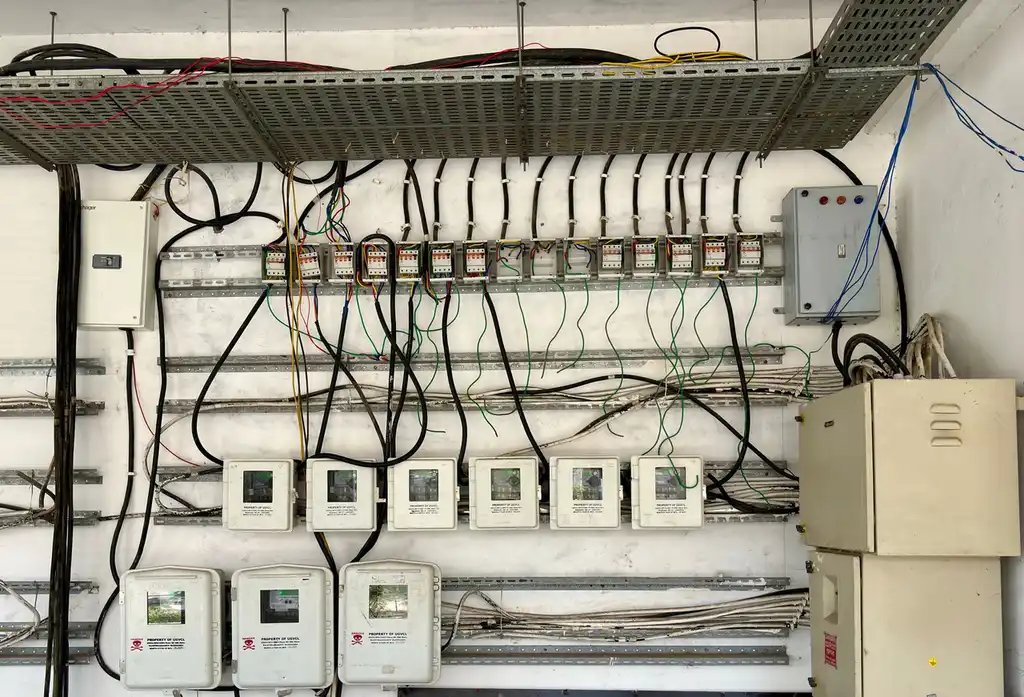
An electrical panel upgrade for home addition St. Cloud FL is the work of replacing or expanding your main service so it can carry the extra circuits your new square footage demands. A 400-square-foot addition with a bathroom, mini-split, and four outlets can pull 40 to 60 additional amps at peak. Most St. Cloud homes built before 1990 run a 100 amp panel with a full bus bar and no room for new breakers. We swap in a 200 amp panel, run new service entrance cable, and land every added circuit on AFCI and GFCI breakers that meet current NEC requirements.
Osceola County permits require the electrical load calculation to match the finished structure, so an addition almost always forces a service upgrade. Homeowners in the 34769 and 34772 ZIP codes call us most often when they're adding a primary suite, converting a garage, or finishing a lanai into living space. If you're searching for an electrical panel upgrade for home addition in St. Cloud FL near me, the honest answer is that the panel work has to happen before the drywall goes up, not after.
Practical benefits
Why Upgrade Your Panel Before the Addition
Adding square footage without upgrading the service is the fastest way to fail an inspection or burn up a panel. Here's what a properly sized upgrade gets you.
Pass Inspection First Try
Osceola County inspectors check your load calculation against the finished square footage. A 200 amp panel with a documented calculation and labeled breakers clears the rough-in inspection the first time. We've seen homeowners lose two to three weeks redoing electrical because the original panel couldn't support the addition on paper.
Room for Real Circuits
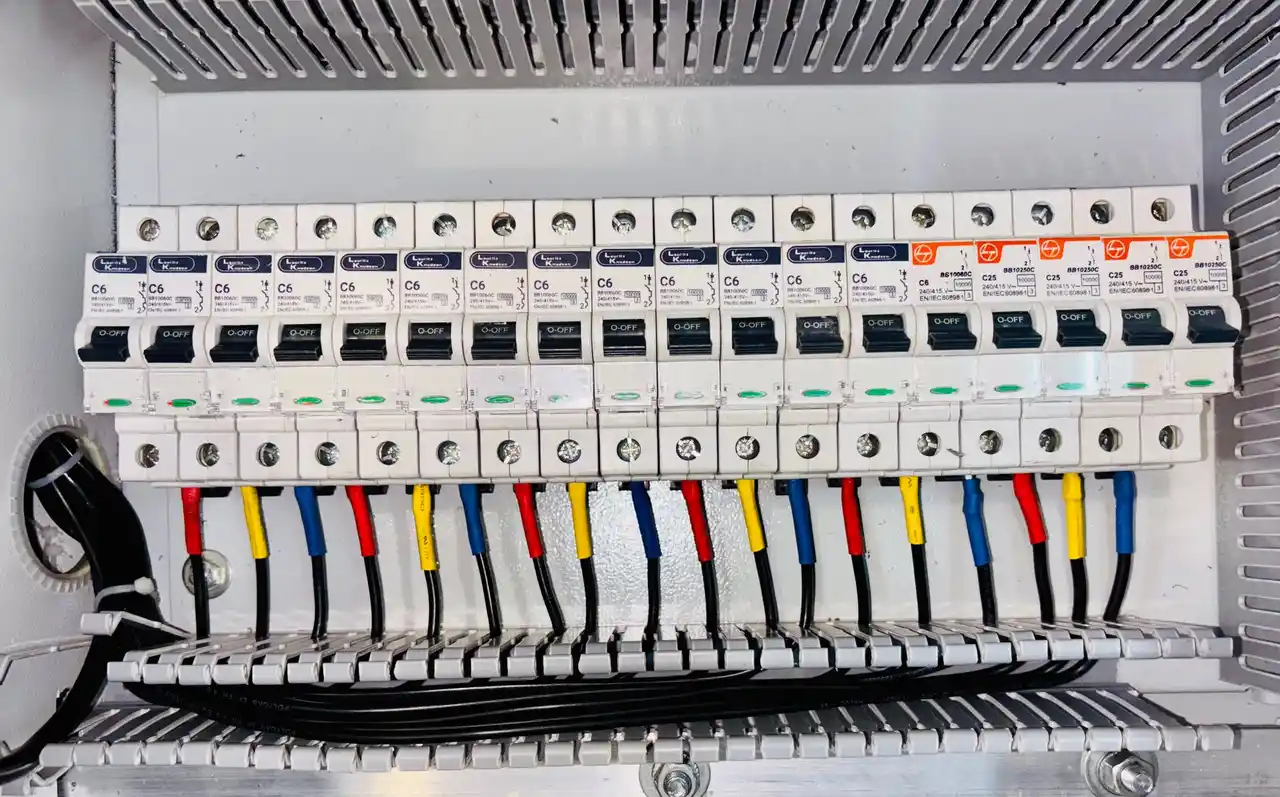
A 200 amp panel gives you 40 breaker spaces instead of the 20 or 24 you get from an outdated 100 amp service. That's space for the addition's circuits plus a future EV charger, generator interlock, or pool pump. No more tandem breakers jammed into a full panel just to make one more slot work.
No More Flickering Lights
If your lights dim every time the AC starts, your panel is already at its limit. Adding a 3-ton heat pump and a bathroom exhaust fan on top of that load pushes a 100 amp service past its rating. A 200 amp upgrade spreads that load across a heavier bus bar and a main breaker rated for the demand.
Insurance and Resale Ready
A permitted, inspected panel upgrade with the sticker on the cover protects you at resale. Buyers' inspectors flag unpermitted electrical work, and some Florida insurers ask for the panel's age and amperage before they'll bind a policy. A documented 200 amp upgrade answers both questions in one page.
How service works
How the Panel Upgrade Process Works
From the first load calculation to the final inspection sticker, here's exactly what happens when we upgrade your panel for an addition.
STEP 01
Load Calculation
We measure your existing service, count the new circuits the addition needs, and run a NEC Article 220 load calculation. This takes about 45 minutes and tells us whether you need a 200 amp panel or can get by with a subpanel fed from your existing service. You get the number in writing before we quote.
Tools and methods
Tools and Methods We Use
Clamp Meter
Measures actual current on each circuit so we know real load, not nameplate ratings. We use it to confirm the addition's demand after the panel is live.
Thermal Imaging Camera
Scans the panel and breaker connections for hot spots after re-energizing. Catches loose lugs and failing breakers that a visual inspection misses.
Torque Screwdriver
Every lug on the main breaker, bus bar, and neutral bar gets torqued to the manufacturer's spec. Loose connections are the number one cause of panel fires.
Circuit Breaker Finder
Traces which breaker feeds which outlet when we're mapping the existing panel before the swap. Saves hours on homes with unlabeled panels.
Fish Tape and Cable Puller
Pulls new service entrance cable and addition circuits through finished walls with minimal drywall damage. Essential for retrofits in older St. Cloud homes.
Voltage Tester
Confirms the main is dead before we touch anything and verifies every circuit after re-energizing. Non-negotiable on every job.
Insulated Gloves
Rated for the voltage we're working around, worn on every panel swap per NFPA 70E arc-flash safety practices.
NEC Article 220 Load Calculation
The code-mandated method for sizing a service based on square footage, appliances, and demand factors. We run it before every addition upgrade and hand the inspector the documentation. It's how we know whether you need 200 amps or a subpanel.
NFPA 70E Arc-Flash Safety
We treat every panel as live until proven dead, wear insulated gloves, and use proper PPE during the swap. It's the standard that keeps our crew safe and your job insurable.
Torque-to-Spec Connections
Every lug gets tightened with a torque screwdriver to the panel manufacturer's published spec. We've seen panels fail inspection over loose neutrals, and we've seen them catch fire over loose mains. Neither happens on our jobs.
Thermal Verification
After re-energizing, we run the addition's loads and scan the panel with a thermal imaging camera. Any breaker or lug running hotter than its neighbors gets re-torqued or replaced before we leave.
Where this service fits
When You Need an Addition Panel Upgrade
Adding a primary suite with a bathroom and mini-split to a 1970s St. Cloud ranch on a 100 amp service.
We run the load calculation, confirm 200 amps is required, pull the Osceola County permit, and swap the panel in one day. New AFCI breakers for the bedroom circuits and GFCI for the bathroom go in during rough-in. The addition passes rough-in and final inspection, and the mini-split runs without dimming the rest of the house.
Converting a garage into a living space in the 34772 ZIP code, with the panel already full of tandem breakers.
We replace the 100 amp panel with a 200 amp enclosure, remove the tandems, and give every circuit its own full-size breaker. The garage conversion gets dedicated circuits for outlets, lighting, and a window unit. No more tripped breakers when the window unit and the kitchen appliances run at the same time, and the panel has open slots for future work.
Finishing a lanai into a year-round room on the West Side, where the outdoor panel shows rust around the meter base.
We replace both the meter base and the panel in one project, reseal the conduit, and install a whole-home surge protector. The lanai's circuits land on AFCI breakers with a dedicated line for a mini-split. The inspector signs off on the new service, and the rust issue is gone before it can cause intermittent faults.
Adding a second-story bonus room over the garage and planning an EV charger in the same year.
We size the service at 200 amps to cover the bonus room plus a future 240V EV circuit, install a generator interlock while the panel is open, and leave two spare slots labeled for the charger. The bonus room is powered now, and the EV charger install later is a one-day job with no second panel upgrade.
Local execution
How Panel Upgrades Run in St. Cloud
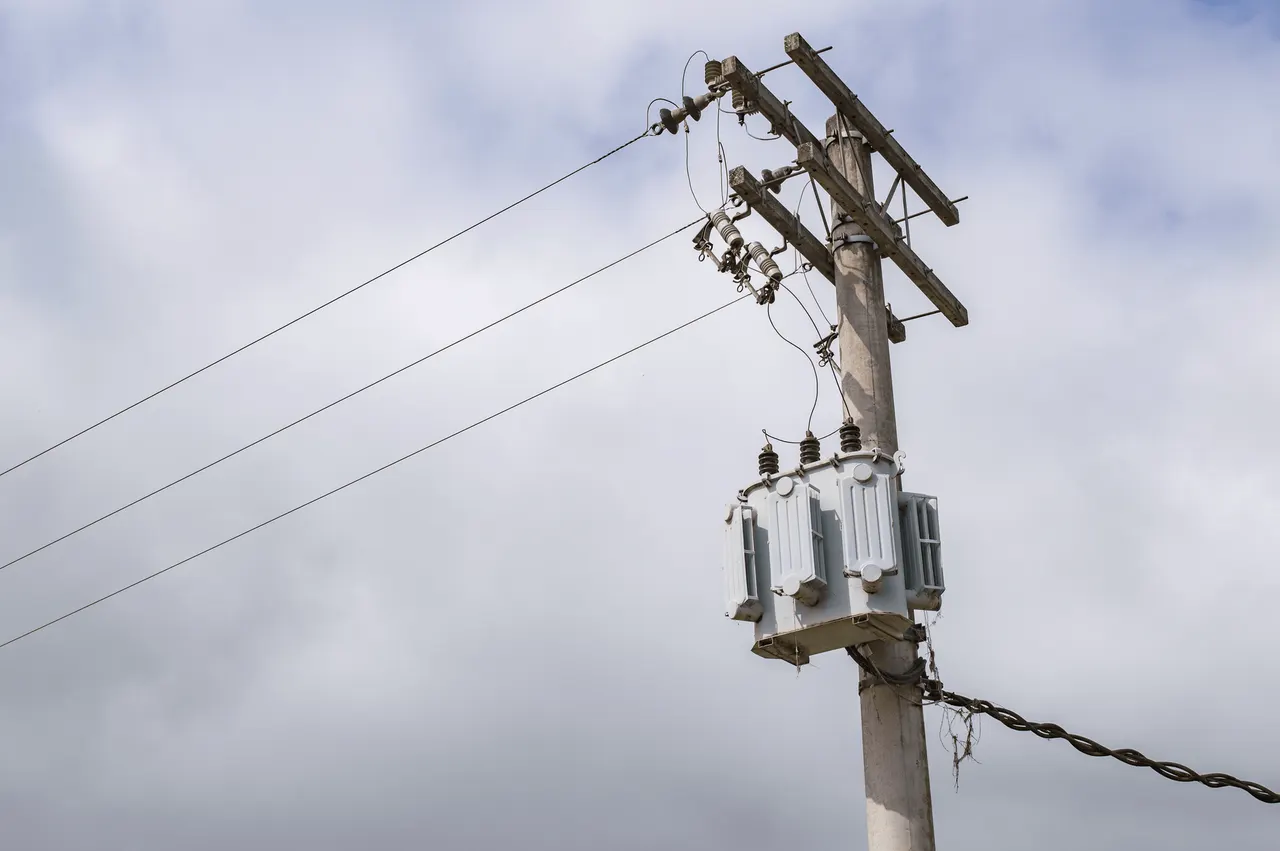
St. Cloud sits in Osceola County, and the electrical work here has its own rhythm. Summer afternoon storms and high humidity punish outdoor panels and meter bases, so we see more rust and water intrusion than crews in drier parts of Florida. The housing stock matters too: a lot of homes in the 34769 and 34771 ZIP codes were built between the 1960s and 1990s with 100 amp service and full panels, which means an addition almost always forces a service upgrade. Osceola County inspectors want the load calculation to match the finished square footage, and they check grounding and breaker labeling closely. We pull the permit, meet the inspector, and keep the power-off window to a few hours by coordinating the Duke Energy disconnect in advance. If you're comparing the cost of panel upgrade for home addition in St. Cloud Florida, the permit and inspection fees are part of the number, not a surprise at the end.
Downtown St. Cloud
Older homes near the downtown core often still run 100 amp service with fuse boxes or early breaker panels. Additions here almost always require a full 200 amp upgrade.
West Side St. Cloud
We see a lot of lanai conversions on the West Side. Outdoor panels near the pool cage tend to show rust around the meter base, so we often replace both in one project.
Southeast St. Cloud
Newer construction in the 34772 ZIP code usually has 200 amp service already, so additions there sometimes only need a subpanel. We confirm with a load calculation before quoting.
North Side St. Cloud
Garage conversions are common on the North Side. Full panels with tandem breakers are the usual blocker, and a 200 amp upgrade clears it.
High summer humidity and afternoon thunderstorms
Outdoor panels and meter bases corrode faster here than in drier climates. We spec rain-tight enclosures and reseal conduit penetrations on every exterior panel job.
Osceola County permit and inspection requirements
The load calculation has to match the finished square footage, and grounding and labeling are checked closely. We build all three into the job so the first inspection passes.
Aging 100 amp service in older neighborhoods
Homes built before 1990 often have full panels with no open slots. Additions push them past their rating, so the upgrade is part of the project, not optional.
Duke Energy disconnect scheduling
We coordinate the meter pull in advance so your power is off for hours, not days. Most swaps are done in a single visit.
Problems we solve
Problems an Addition Panel Upgrade Solves
Adding square footage exposes every weakness in an old service. These are the four calls we get most often from St. Cloud homeowners mid-addition.
Full panel with no open breaker slots
We upgrade to a 200 amp panel with 40 full-size breaker spaces, so every new circuit gets its own breaker. The addition's rough-in passes inspection without tandems, and you keep spare slots for future loads. You can't add circuits for the new bedroom, bathroom, or mini-split without doubling up on tandem breakers, which most inspectors reject. The addition stalls at rough-in until the panel is replaced.
Lights dim when the AC starts
A 200 amp upgrade with a heavier bus bar and properly torqued main breaker spreads the load. We verify with a clamp meter after the swap. The flicker stops, and your AC and mini-split run on stable voltage. Voltage drop on an overloaded 100 amp service stresses motors and electronics. It gets worse with every added load, and it's a sign the panel is already past its rating.
Buzzing or warm panel
We kill the main, inspect the bus bar and breaker connections, and replace anything showing heat damage. Every lug gets torqued to spec, and we scan the panel with a thermal imaging camera before we call it done. A buzzing panel usually means a loose breaker or arcing at a lug. A warm cover means the panel is running hot. Both are fire risks, and neither gets better on its own.
Rusted or water-damaged enclosure
We replace the enclosure with a rain-tight panel, reseal the conduit penetrations, and check the grounding wire while we're in there. If the meter base is the source, we replace it in the same project so the addition passes. Florida humidity and storm-driven rain get into outdoor panels through failing meter bases and conduit. Corrosion on the bus bar leads to intermittent faults and failed inspections.
A practical standard for every visit.
Clear planningPrepared arrivalsCareful workLocal follow-through
Experience in the details
Panel Work Built for Additions
We do one thing well: electrical panel work for St. Cloud homes. Our electricians hold a Florida Electrical Contractor License and work to NEC and NFPA 70E standards on every job. We've upgraded panels for primary suites, garage conversions, in-law apartments, and lanai build-outs across Osceola County. Every job starts with a load calculation, not a guess. We carry Square D, Eaton, and Siemens panels on the truck, pull our own permits, and stand behind the work with a written warranty. If your addition needs a service upgrade, we've done the math on jobs just like yours.
- State-licensed electrical contractor working under Florida Electrical Contractor License requirements
- NEC Article 220 load calculations on every addition, documented for the inspector
- NFPA 70E arc-flash safety practices on every panel swap, including insulated gloves and PPE
- Square D, Eaton, and Siemens panels and breakers stocked for same-week installs
- Thermal imaging camera used to check for hot spots after every re-energize
Notes from local customers
What St. Cloud Homeowners Say
We added a 500-square-foot primary suite and our old 100 amp panel had zero open slots. St. Cloud Panel Works ran the load calculation, pulled the permit, and had a 200 amp Square D panel in the next week. Power was off about five hours. The inspector passed it first try. They labeled every breaker and walked me through the whole thing.
Our lights flickered every time the AC started, and we were about to add a garage conversion. They showed me the math on why the 100 amp service wouldn't cut it and quoted a 200 amp upgrade. Clean work, no surprises on price, and the buzzing I'd been hearing at the panel is gone. Worth every dollar.
We were converting a lanai into a living room and the county wanted a load calculation. These guys did it the same week, replaced the meter base and panel together, and met the inspector on site. The whole job took two visits. They even added a surge protector for the new mini-split. Straight shooters.
Most 100 amp to 200 amp panel upgrades for an addition run $1,800 to $3,500 in 2026, including the panel, breakers, permit, and inspection. If the meter base or service entrance cable also needs replacing, add $600 to $1,200. A subpanel-only solution for a small addition can land closer to $900. We quote the exact number after the load calculation, and the quote doesn't change unless you change the scope.
You need one if your existing panel can't carry the added load or has no open breaker spaces. A 400-square-foot addition with a bathroom and mini-split typically pushes a 100 amp service past its limit. Osceola County inspectors check the load calculation against the finished square footage, so the math has to work on paper. We run that calculation before you commit to anything.
The panel swap itself takes one day, usually six to eight hours. Permit approval adds two to five business days before we start. Running the addition's circuits takes another one to two days once the panel is live. From first call to final inspection sticker, most addition panel upgrades wrap in two to three weeks, and the power is only off for a few hours on swap day.
Most St. Cloud additions land on a 200 amp panel. A 400 to 600-square-foot addition with standard lighting, outlets, and one large appliance usually needs 150 to 200 amps of service. If you're adding a tankless water heater, EV charger, or second AC unit, 200 amps is the floor. We run the NEC Article 220 calculation and give you the number before we quote the job.
Keep exploring
Related Services
Your next step is waiting
Get Your Addition Panel Upgrade Scheduled
We run the load calculation, pull the Osceola County permit, and swap your panel in a day. Licensed, insured, and warrantied. Call (321) 335-1162 and we'll tell you exactly what your addition needs.
Start with the basics
Call St. Cloud Panel Works
We answer the phone 24/7 for emergency panel calls and schedule standard estimates Monday through Friday. Give us a call at (321) 335-1162 or send an email and we will get back to you the same day. If your panel is buzzing, hot, or smelling like burnt plastic, call instead of emailing.