Why is my electrical panel buzzing in St. Cloud
A buzzing electrical panel in St. Cloud is usually a loose breaker, failing main lug, or overloaded circuit. Here's what's dangerous and what it costs to fix.
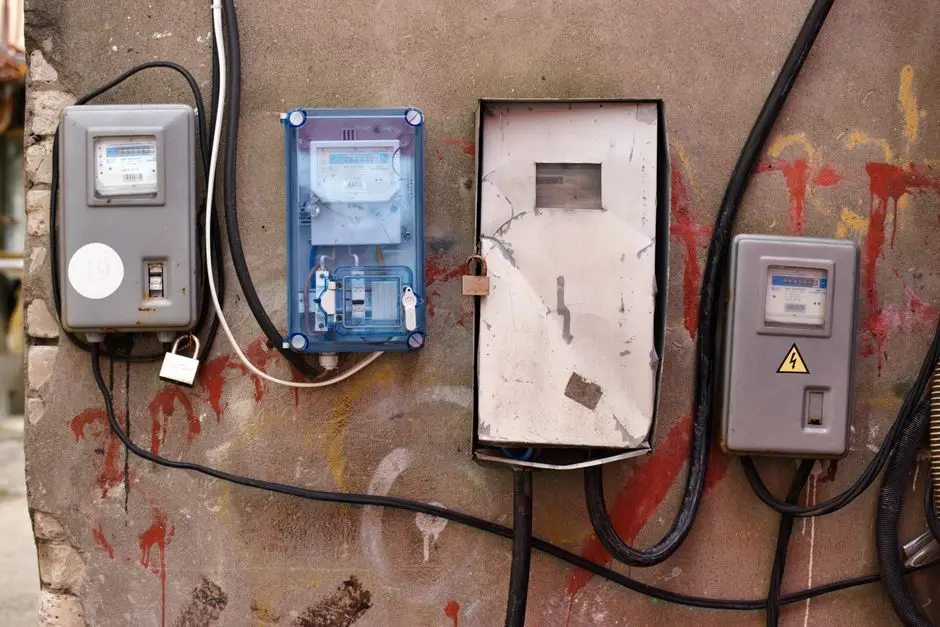
A buzzing electrical panel in St. Cloud is almost always caused by a loose breaker, a failing main lug, a worn bus bar, or a circuit that is pulling more amps than it was sized for. The buzz itself is vibration - metal parts inside the panel shaking at 60 cycles per second because the connection between them is no longer tight. If the sound is new, getting louder, or paired with warmth or a burning smell, treat it as an urgent problem, not a background noise.
Why is my electrical panel buzzing in St. Cloud is one of the most common calls we get, and the answer usually comes down to heat, age, and Florida humidity working on the same panel for 20 or 30 years. Below we break down the real causes, how to tell a harmless hum from a warning sign, what a repair costs in 2026, and when it is time to stop guessing and call someone.
Why is my electrical panel buzzing in St. Cloud?
An electrical panel buzzing in St. Cloud FL is a vibration problem, and vibration comes from loose metal. Inside your panel, current flows through the main lugs, the bus bars, and the breaker terminals. Every one of those connections is a mechanical joint, and every joint loosens a little over time - faster in a humid climate where thermal expansion and corrosion work together.
Once a connection loosens, the contact area shrinks. Less contact means more resistance. More resistance means heat. Heat makes the metal expand and contract each time a big load kicks on, which loosens the joint further. That cycle is what you hear as a buzz, and it is the same cycle that eventually causes arcing, scorched wiring, and breaker failure.
For a St. Cloud homeowner, the practical takeaway is simple: a buzz is your panel telling you a connection is degrading. It is not a sound you should learn to live with.
Is a buzzing electrical panel dangerous in St. Cloud Florida?
Yes - a buzzing electrical panel in St. Cloud Florida is dangerous when the buzz is loud, constant, or accompanied by heat, a burning smell, or flickering lights. A faint hum from a transformer or a heavy load is normal. A buzz that starts suddenly, changes pitch, or gets louder over weeks is a sign of arcing inside the panel, and arcing is what starts electrical fires.
According to the National Fire Protection Association, electrical failures and malfunctions cause tens of thousands of home fires every year in the U.S. Most of those start at a connection point - exactly where your buzz is coming from. The good news is that a buzzing panel gives you warning. Fires rarely start without one.
Here is how we triage a buzzing panel call in St. Cloud:
- Emergency: loud buzz, burning smell, scorch marks, hot panel cover, or sparks. Kill the main breaker and call us immediately.
- Urgent: steady buzz that started within the last few weeks, warm cover, or breakers that trip repeatedly.
- Monitor: faint hum you have heard for years with no heat, no smell, and no tripping.
If you are in the emergency column, our emergency electrician St. Cloud FL team handles after-hours buzzing panel calls, and we can usually be at your door the same day.
What causes electrical panel buzzing in St. Cloud
What causes electrical panel buzzing in St. Cloud comes down to six things we see over and over on panels across Osceola County. Some are cheap fixes. Some mean the panel is done.
1. Loose breaker terminals
The screw that holds a breaker to the bus bar backs off slightly over years of heating and cooling. That single loose screw is the most common cause of a buzzing panel we find, and it is also the easiest to fix - if it is caught before the bus bar is damaged.
2. A failing main lug or main breaker
The main lugs carry every amp your house uses. When they loosen or corrode, the buzz is louder and the heat is higher. On older panels, the main breaker itself can buzz internally as the contacts pit and wear.
3. A worn or pitted bus bar
Once a bus bar is pitted from arcing, tightening the breaker does not fix it. The metal surface is already damaged. At that point, the panel needs replacement, not a repair.
4. An overloaded panel
St. Cloud has grown fast, and a lot of homes here have added EV chargers, hot tubs, tankless water heaters, and shop equipment on panels that were never sized for them. When a 150-amp panel is asked to carry 180 amps, everything runs hotter and connections buzz. If your panel is full and you are adding load, 200 amp electrical panel upgrade St. Cloud FL is usually the right answer.
5. Corrosion from Florida humidity
St. Cloud sits in a humid, storm-prone climate. Panels mounted in garages, on exterior walls, or in carports take on moisture, and moisture corrodes the aluminum and copper connections inside. A corroded connection buzzes before it fails.
6. A failing breaker or a backfed circuit
Individual breakers can buzz when their internal contacts wear out. So can a backfed breaker - a solar or generator feed that was installed without the correct hardware. If your panel has a backfed breaker and it buzzes, that is a code issue, not just a noise issue.
How to tell a normal hum from a problem buzz
Every panel makes some noise. The trick is knowing which noise is normal and which is not. Here is the checklist we use:
- Normal: a faint, steady hum you can only hear with your ear near the panel. Comes from the transformer or a heavy load like the AC.
- Not normal: a buzz you can hear from across the garage, a buzz that changes pitch when appliances turn on, or a buzz that started recently.
- Red flag: any buzz paired with warmth on the panel cover, a burning smell, flickering lights, or breakers that trip on their own.
Put your hand near - not on - the panel cover. If it feels warm, shut off the main and call us. Warmth plus buzz is the combination that precedes most panel fires.
If you are also seeing lights dim every time the AC kicks on, that is a separate but related symptom. We cover it in detail on our flickering lights when AC starts St. Cloud FL page, because the same loose neutral or undersized service often causes both.
Common mistakes St. Cloud homeowners make with a buzzing panel
The biggest mistake is waiting. A buzzing panel rarely fixes itself, and the cost of repair climbs fast once a bus bar is damaged. Here is what we see most often:
- Ignoring the buzz for months. A loose lug that costs $150 to tighten today can turn into a $2,400 panel replacement in six months.
- Spraying the panel with anything. Never spray contact cleaner, WD-40, or anything else into a live panel. You are one spark away from a fire.
- Tightening breakers with the panel live. This is how homeowners get electrocuted. The main breaker must be off and the panel verified dead before any screw is touched.
- Replacing the breaker instead of finding the cause. A new breaker on a pitted bus bar will buzz again within weeks.
- Adding a big load without a load calculation. A new EV charger or tankless water heater on an already-loaded panel is a recipe for a buzz that turns into a meltdown.
When to call a professional
Call a licensed electrician the moment your panel buzzes and you cannot explain why. If the buzz is new, if the cover is warm, if you smell anything burning, or if breakers are tripping, stop using the panel and get someone out.
At St. Cloud Panel Works, we diagnose buzzing panels every week. We pull the cover, torque every connection to spec, thermal-scan the bus bars, and tell you straight whether you need a repair or a replacement. If the panel is fine, we will tell you that too. If it is not, we can handle the full electrical panel replacement St. Cloud FL and pull the permit the same week.
We work all over the city, from the older homes near Electrical Panel Upgrade Replacement in Downtown St. Cloud to the newer builds out toward Narcoossee. Older downtown homes often have 100-amp panels with aluminum wiring, and those buzz more than anything else we see.
How much does it cost to fix a buzzing panel in St. Cloud FL?
Typical 2026 pricing in St. Cloud for buzzing panel repair runs $150 to $450 for a diagnostic and simple fix like tightening lugs or replacing a single breaker. If the bus bar is damaged or the panel is undersized, a full panel replacement runs $1,800 to $4,200 depending on amperage, permit fees, and whether the meter base needs work too.
Here is a rough breakdown of what we see in this market:
- Diagnostic and torque check: $150-$250
- Replace one breaker: $180-$350
- 100-amp panel replacement: $1,800-$2,600
- 200-amp panel replacement: $2,400-$4,200
- Meter base replacement (if needed): add $600-$1,200
If your panel is already 25+ years old and buzzing, replacement is usually the smarter spend. We can also add electrical panel surge protection St. Cloud FL during the swap so the new panel is protected from the first storm season.
Frequently Asked Questions
Why is my electrical panel buzzing in St. Cloud FL?
Your panel is buzzing because a metal connection inside it has loosened, corroded, or overheated. The most common culprits are loose breaker terminals, a failing main lug, a pitted bus bar, or an overloaded circuit. In St. Cloud, humidity and older 100-amp panels make this more common than in drier markets.
Is a buzzing electrical panel dangerous in St. Cloud Florida?
Yes, if the buzz is loud, new, or paired with heat, smell, or tripping breakers. A faint hum is normal. A buzz that changes pitch or gets louder over weeks means arcing is happening inside the panel, and arcing is the leading cause of electrical fires. Shut off the main and call an electrician.
How much does it cost to fix a buzzing panel in St. Cloud?
In 2026, expect $150 to $450 for a diagnostic and simple repair like tightening lugs or replacing a breaker. If the bus bar is damaged or the panel is undersized, full replacement runs $1,800 to $4,200. We give you the number before we start work.
How long does buzzing panel repair take in St. Cloud?
Simple repairs like tightening connections or swapping a breaker take 1 to 2 hours. A full panel replacement is a 4 to 8 hour job, and we usually need one day for the permit and inspection. Most St. Cloud homeowners have power back the same day.
Can I fix a buzzing electrical panel myself in St. Cloud FL?
No. Opening a live panel to tighten connections is one of the most dangerous DIY jobs there is. Even with the main off, the incoming service lines stay energized. A licensed electrician has the meter pulled or the service disconnected before touching anything. This is not a job for a homeowner.
Get help with Electrical Panel Upgrade Replacement in St. Cloud
If your panel is buzzing, do not wait for it to get worse. We diagnose the cause, fix what can be fixed, and replace what needs replacing - with the permit pulled and the work inspected.
Call St. Cloud Panel Works at (321) 335-1162 and we will get a licensed electrician to your door, usually the same day.