Flickering Lights When AC Starts
Flickering Lights When AC Starts St. Cloud FL
If your lights dim when AC turns on in St. Cloud, Florida, you are not imagining it. That flicker is a voltage drop, and it usually points to a loose neutral, an undersized panel, or a failing main breaker. We are St. Cloud Panel Works, and we track down the cause with a clamp meter and thermal camera, then fix it the same day. Call (321) 335-1162.
Service overview
Flickering Lights When AC Starts St. Cloud FL
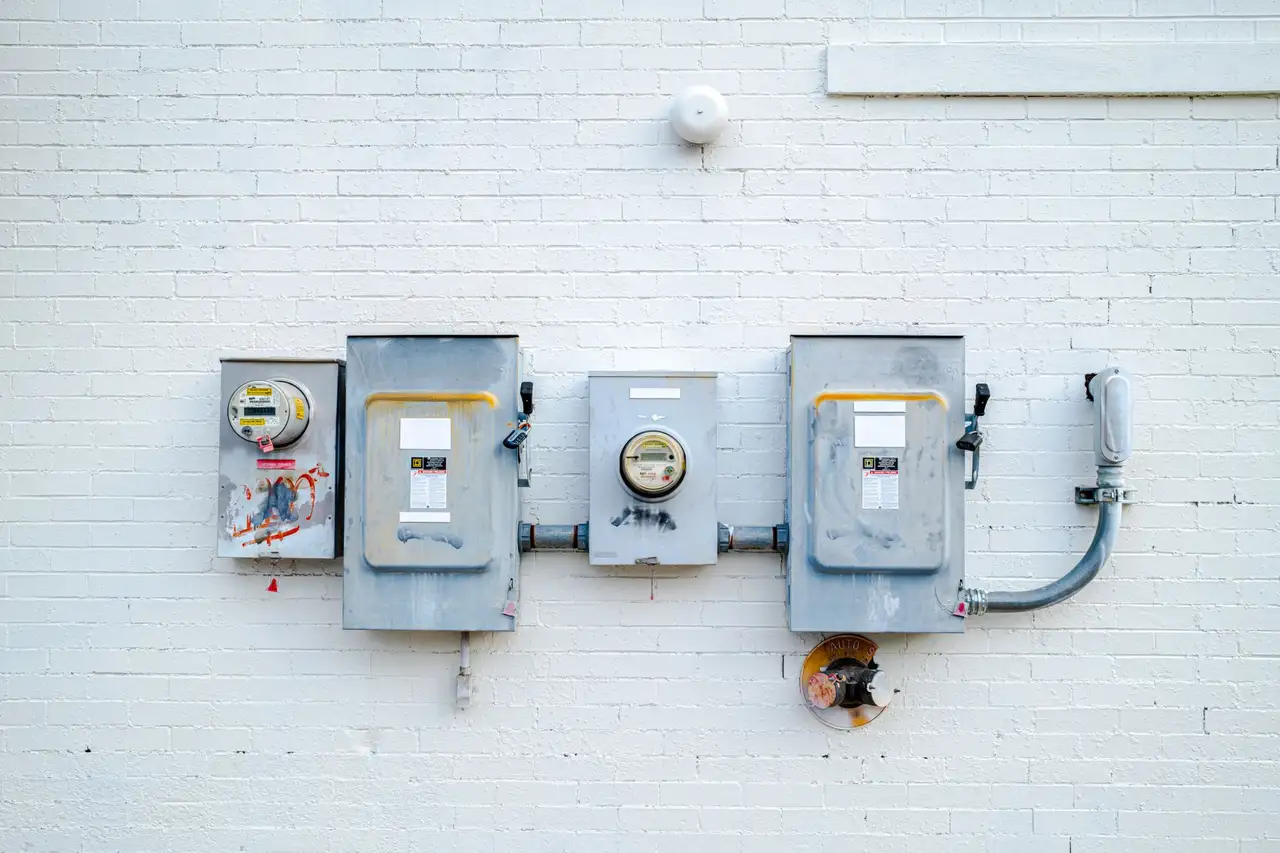
Flickering lights when AC starts St. Cloud FL is a voltage-drop symptom that happens when your air conditioner's compressor pulls a large inrush current and your electrical system cannot keep up. The lights dip for a split second, then recover. That dip can come from a loose neutral at the meter base, a corroded bus bar in the panel, a failing main breaker, or an outdated 100 amp service that was never sized for modern AC loads. We test voltage at the panel, at the AC disconnect, and at the meter to isolate the fault.
In St. Cloud, Florida, this problem shows up most in homes built before 1990 with original panels, especially in Southeast St. Cloud and the older blocks near Downtown. Summer AC runs 10 to 14 hours a day, and every compressor start puts stress on the same weak connections. If you have been searching for flickering lights when AC starts in St. Cloud FL near me, we can usually get a technician out the same day. We also handle emergency electrician calls for flickering lights St. Cloud when the dimming comes with a burning smell or buzzing.
Practical benefits
Why Fix Flickering Lights Now
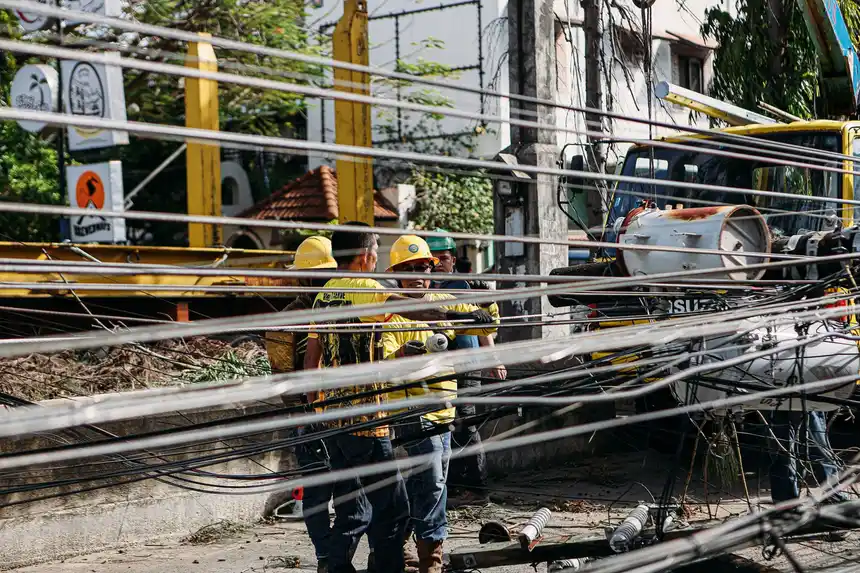
Ignoring flickering lights when AC starts lets a small connection problem turn into a full panel failure. Here is what you get when we fix it right.
Stop Voltage Drops
We torque every lug to manufacturer spec with a torque screwdriver, so your lights hold steady when the AC compressor kicks on. Most voltage-drop repairs take 2 to 4 hours and restore steady 120V at your outlets.
Prevent Panel Damage
A loose neutral or corroded bus bar heats up every time the AC starts. We replace damaged breakers and bus bars before they arc. Catching it early saves you from a full panel replacement that runs $1,800 to $3,500.
Protect Your AC
Low voltage makes your AC compressor work harder and run hotter. Fixing the flicker protects a $6,000 to $10,000 HVAC system. We verify voltage under load so your compressor gets the power it needs.
Pass Inspection
If you are selling your St. Cloud home, a flickering-light complaint can kill the deal. We bring the panel up to NEC code, pull the Osceola County Electrical Permit when required, and leave you with a labeled panel that passes inspection.
How service works
How We Fix Flickering Lights
We follow a five-step process that finds the fault fast and fixes it right the first time. Most jobs are done in a single visit.
STEP 01
Phone Triage
When you call (321) 335-1162, we ask what flickers, when it flickers, and whether you smell anything hot. That tells us whether to send an emergency electrician or schedule a same-day diagnostic. You get a two-hour arrival window.
Tools and methods
Tools and Methods We Use
Clamp meter
Measures current on the main service conductors while the AC runs. It shows us exactly how much load the compressor draws and whether the panel is overloaded.
Thermal imaging camera
Finds hot spots on breakers, bus bars, and meter bases. It reveals loose connections and overloaded circuits that you cannot see with the naked eye.
Torque screwdriver
Tightens every lug and breaker terminal to the manufacturer's specified torque. Over-tightening damages threads; under-tightening causes the exact flicker you called about.
Voltage tester
Confirms voltage at outlets and the panel under load. We use it to verify the repair holds steady when the AC starts.
Circuit breaker finder
Maps which breaker controls which circuit. This speeds up diagnostics and lets us label your panel accurately.
Insulated gloves
Rated for the voltage we work around. Safety gear is not optional when we open a live panel.
NEC load calculation
We calculate your home's actual electrical demand using NEC guidelines. This tells us whether your 100 amp service is adequate or whether you need a 200 amp upgrade. It is the same calculation an inspector uses.
NFPA 70E safe work practices
We follow NFPA 70E for arc-flash safety on every panel we open. That means proper PPE, voltage-rated tools, and a safe approach distance. It protects us and your home.
Thermal baseline comparison
We compare thermal images before and after the repair. A breaker that ran at 140F and now runs at 95F tells us the connection is fixed. You get the images in your summary.
Torque verification
After tightening, we mark the lug and re-check torque after the load test. This two-step method catches settling that happens when conductors heat and cool.
Where this service fits
When to Call for Flickering Lights
Your lights flicker every time the AC starts, but only in summer.
This points to a voltage drop that only shows up under heavy load. We run a load test with the AC on and check the main lugs, neutral, and breaker. A loose connection is usually the cause, and we fix it the same day. Steady lights all summer, and your AC compressor runs cooler because it is getting full voltage.
You are buying a home in St. Cloud and the inspection noted flickering lights.
We perform a full panel evaluation and give you a written report with repair options and costs. If the panel is outdated, we quote a replacement that meets current NEC code. You can use the report in negotiations. You know exactly what you are buying, and the seller can fix it before closing.
You added an EV charger and now the lights dim when the AC kicks on.
Your panel is likely at capacity. We calculate the load and upgrade to a 200 amp service or add a subpanel. We size the EV circuit correctly so it does not compete with the AC. You can charge your EV and run the AC at the same time without dimming a single light.
Your lights flicker and you smell something hot near the panel.
This is an emergency. We dispatch a licensed electrician immediately, shut down the affected circuit, and find the overheated connection. We repair or replace the damaged parts and make it safe. The fire risk is removed, and your panel is back to safe operation with documented repairs.
Local execution
How We Handle Flickering Lights in St. Cloud
St. Cloud's climate drives this problem. Summer AC runs 10 to 14 hours a day, and the humidity corrodes outdoor meter bases and panel enclosures faster than in drier states. Many homes in Southeast St. Cloud and near Downtown were built between 1960 and 1990 with 100 amp panels that were never sized for today's AC loads. When you search for flickering lights when AC starts in St. Cloud FL near me, we know to check the meter base neutral first, because that is where we find the fault most often. We also see a lot of discontinued panels, like Murray and Cutler-Hammer, where replacement breakers are hard to source. We carry compatible parts or upgrade the panel. Osceola County requires a permit for service changes, and we pull it for you. If you are in the St. Cloud State University Area, we can often schedule around student rental turnover. Our goal is simple: find the voltage drop, fix it to NEC code, and prove it with a load test before we leave.
Downtown St. Cloud
Older commercial and residential buildings with original panels. We often find rusted meter bases and loose neutrals here.
Southeast St. Cloud
Many 1970s and 1980s ranch homes with 100 amp service. AC upgrades have pushed these panels past their limit.
St. Cloud State University Area
Rental properties with high tenant turnover. Flickering lights are a common maintenance call, and we work around lease schedules.
West Side St. Cloud
Newer construction with 200 amp panels, but we still see loose lugs from original installation. A torque check usually solves it.
High summer AC demand
Compressors run longer and start more often, exposing weak connections. Flickering is worst in July and August, but the underlying fault is there year-round.
Florida humidity and rain
Moisture corrodes outdoor panels and meter bases, adding resistance. This is why we recommend an outdoor-rated enclosure and surge protection on replacements.
Older 100 amp service
These panels cannot handle modern AC inrush current. The voltage drop shows up as flickering lights and can shorten the life of your compressor.
Problems we solve
Problems We Solve for St. Cloud Homeowners
Flickering lights are a symptom, not the problem. Here are the underlying issues we find most often when we trace flickering lights when AC starts in St. Cloud FL.
Loose neutral at the meter base
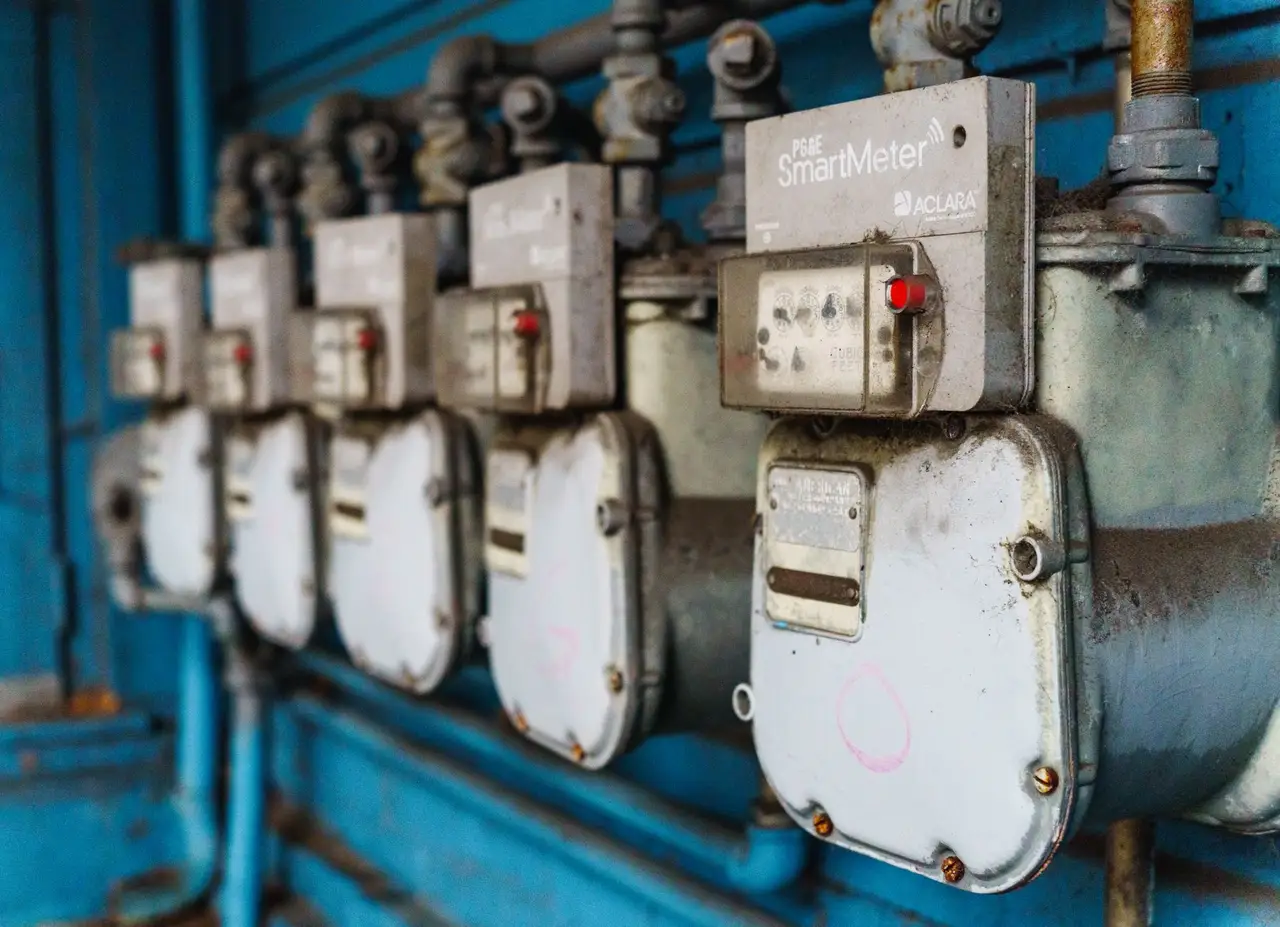
We pull the meter with utility coordination, clean and re-terminate the neutral, and torque it to spec. This is a 2 to 3 hour repair that usually ends the flickering immediately. A loose neutral causes voltage to swing wildly, which can damage electronics and overheat the connection. Left alone, it can arc and start a fire at the meter.
Corroded bus bar in an old panel
We replace the panel or the affected bus bar with corrosion-resistant components. If the panel is a discontinued Murray or Cutler-Hammer model, we upgrade to a current Square D or Eaton panel. Corrosion adds resistance, so voltage drops every time the AC starts. It also causes breakers to run hot and trip randomly. In Florida humidity, this happens faster than most homeowners expect.
Undersized 100 amp service
We upgrade the service to 200 amps, which gives you headroom for AC, EV charging, and future additions. We pull the Osceola County Electrical Permit and coordinate the utility disconnect. A 100 amp panel cannot handle a modern AC, electric range, and dryer running at once. The voltage sags, lights flicker, and breakers nuisance-trip. This is common in older St. Cloud homes.
Failing main breaker
We replace the main breaker with a UL Listed unit matched to your panel. We test it under load before we leave. Most replacements take 1 to 2 hours. A weak main breaker has high internal resistance, so it heats up and drops voltage under load. It can fail completely, leaving you without power. It may also fail to trip during an overload.
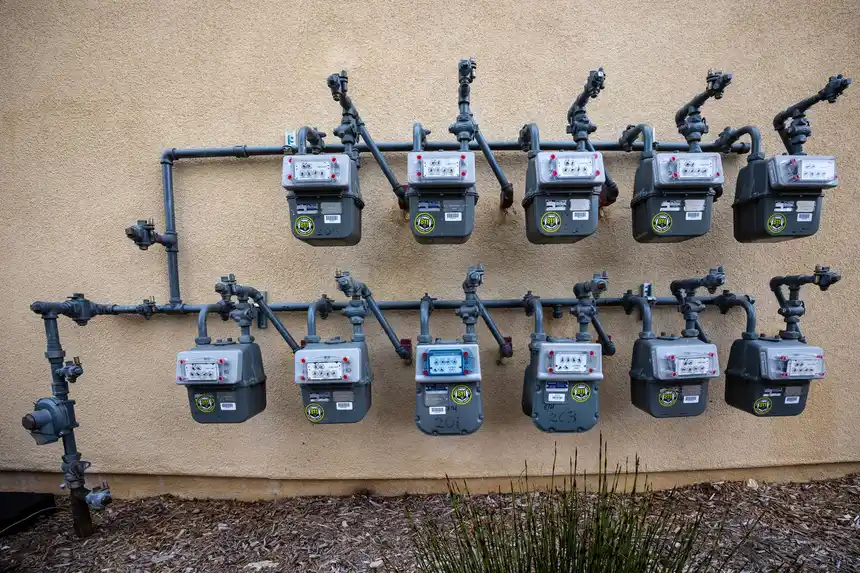
A practical standard for every visit.
Clear planningPrepared arrivalsCareful workLocal follow-through
Experience in the details
Local Electrical Panel Expertise
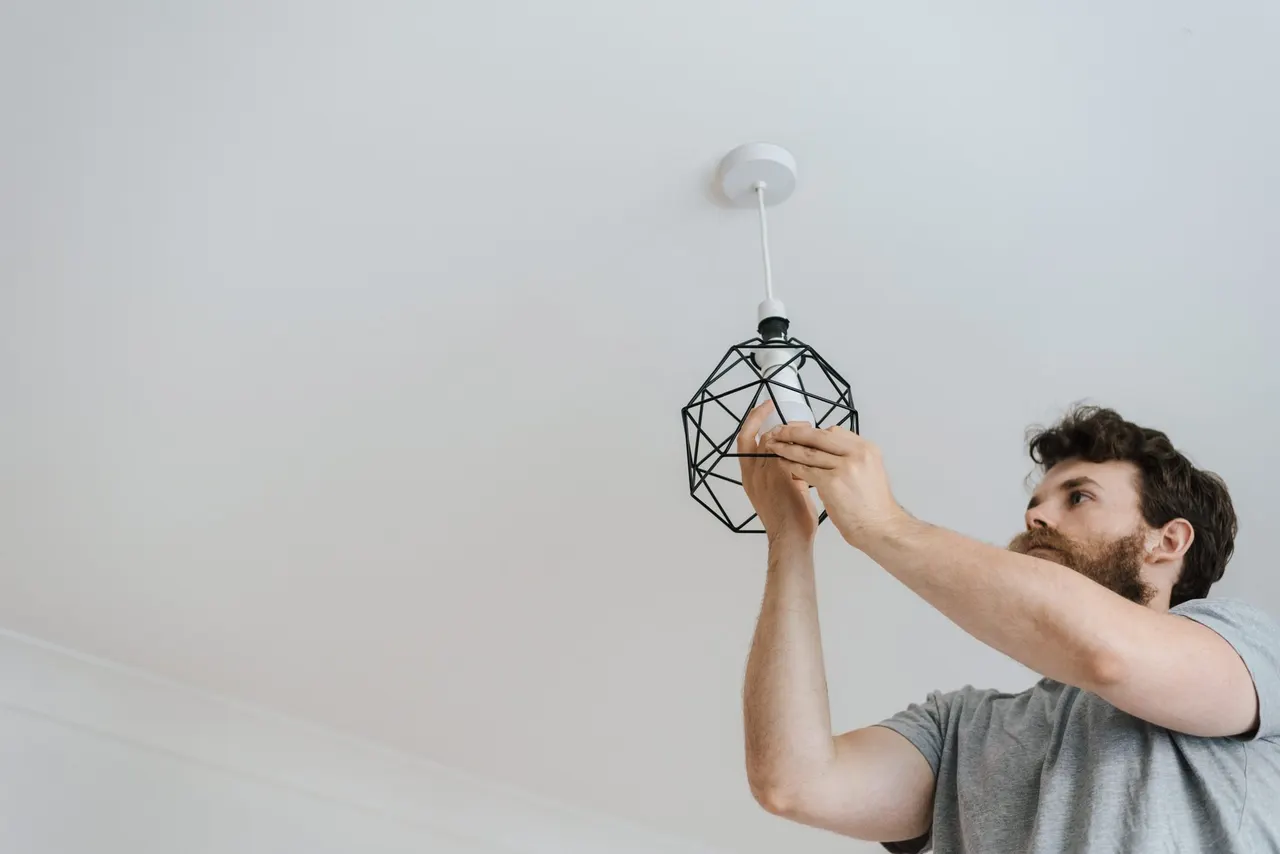
Our technicians hold Master Electrician and Journeyman Electrician licenses in Florida and work to NEC and NFPA 70E standards every day. We have diagnosed flickering lights when AC starts in hundreds of Central Florida homes, from 1970s ranch houses to new builds in the St. Cloud State University Area. We carry OSHA 10 and OSHA 30 training, and we pull Osceola County Electrical Permits when the job requires it. That local experience matters when your panel is a discontinued Murray or Cutler-Hammer model and parts are not on the shelf.
- Master Electrician License and Journeyman Electrician License held by our field techs.
- NFPA 70E arc-flash training renewed annually for every technician.
- Thermal imaging and clamp meter diagnostics on every flicker call.
- Experience with Square D, Eaton, Siemens, Leviton, and Schneider Electric panels.
- Same-day service across St. Cloud, Waite Park, and Sartell.
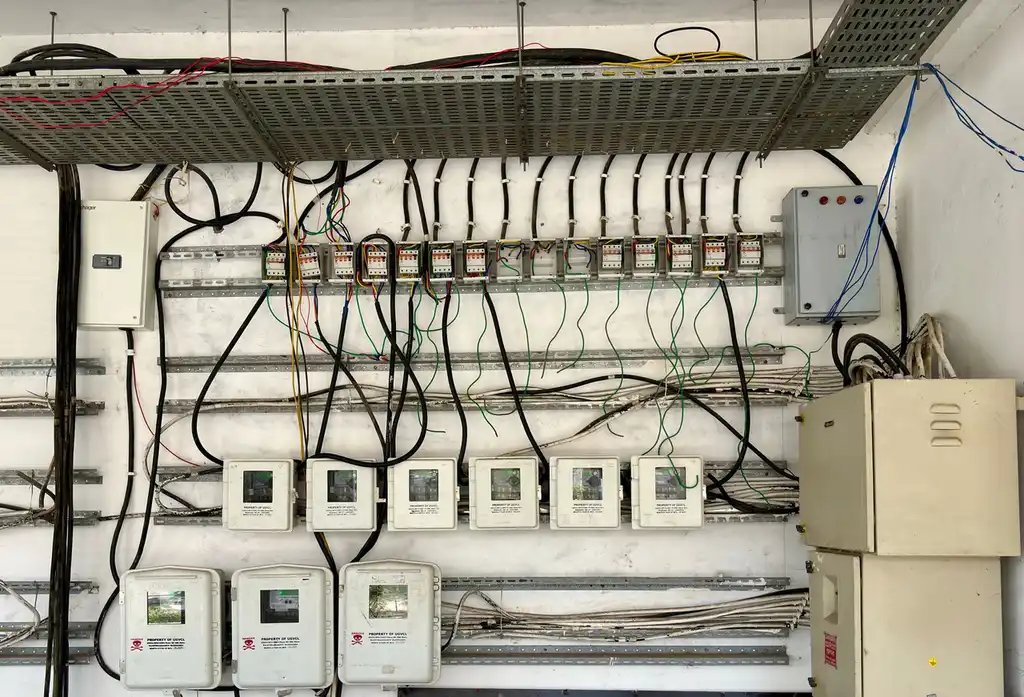
Notes from local customers
What St. Cloud Neighbors Say
Every time the AC kicked on, my kitchen lights strobed. Two other electricians told me it was normal. St. Cloud Panel Works found a loose neutral at the meter base and fixed it in three hours. The lights have been steady for six months. Worth every penny.
I called about flickering lights when AC starts and they came out the same afternoon. The tech used a thermal camera and showed me a hot breaker. He replaced it and torqued everything to spec. No more dimming, and he labeled the whole panel for me.
We manage several rentals near the university, and flickering lights were a recurring complaint. Their team traced it to an undersized 100 amp panel and upgraded it to 200 amps. Tenants stopped calling, and the inspection passed without a single correction.
Your lights flicker because the AC compressor draws a sudden surge of current, and a weak connection in your panel, meter base, or service entrance cable causes a voltage drop. In St. Cloud, the most common culprits are loose neutral lugs, corroded bus bars, and undersized 100 amp service. We test with a clamp meter and thermal camera to pinpoint it.
It can be. A mild flicker from a loose neutral is annoying, but if you also smell burning, hear buzzing, or see scorch marks, it is a fire risk. We treat those as emergencies. Even a mild flicker stresses your AC compressor and can shorten its life. We recommend diagnosing it within a week.
Most flickering-light repairs in St. Cloud run $180 to $450 in 2026, depending on whether we are tightening lugs, replacing a main breaker, or repairing a meter base. If the panel itself is rusted or full, a replacement runs $1,800 to $3,500. We give you a written price before we start.
A simple voltage-drop repair takes 2 to 4 hours. If we need to replace a main breaker or meter base, plan on 4 to 6 hours. Panel replacements are a full-day job. We confirm the timeframe when we schedule, and we do not leave until the lights hold steady under AC load.
Keep exploring
Related Services
Your next step is waiting
Fix Flickering Lights When AC Starts St. Cloud FL
Do not let a voltage drop turn into a panel fire. We diagnose flickering lights when AC starts St. Cloud FL the same day, with upfront pricing and code-correct repairs. Licensed, insured, and local. Call now and we will get your lights steady.
Start with the basics
Call St. Cloud Panel Works
We answer the phone 24/7 for emergency panel calls and schedule standard estimates Monday through Friday. Give us a call at (321) 335-1162 or send an email and we will get back to you the same day. If your panel is buzzing, hot, or smelling like burnt plastic, call instead of emailing.