Hot electrical panel: signs of overheating and what to do
A hot electrical panel is almost never normal. Here are the real signs of overheating, what causes it in St. Cloud homes, and exactly what to do next.
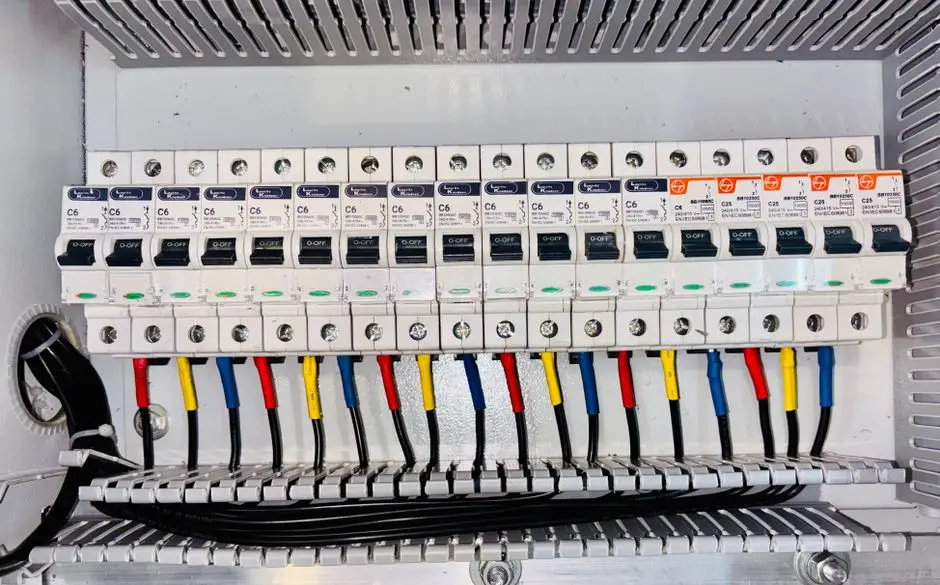
A hot electrical panel is a panel whose breakers or cover feel noticeably warm to the touch, and it is almost never normal. In St. Cloud, Florida, where summer attic temperatures push past 130°F and afternoon thunderstorms rattle the grid, a warm panel usually means loose connections, an overloaded circuit, or a failing breaker that is generating heat instead of tripping. This post walks through the real signs of overheating, why they show up in Central Florida homes specifically, and exactly what to do before a small problem becomes a fire.
A few things you'll learn: how to tell a normal warm panel from a dangerous one, which breakers to check first, what a repair actually costs in 2026, and when it's time to stop troubleshooting and call someone. If you'd rather skip ahead, our team handles Electrical Panel Upgrade Replacement St. Cloud FL and we're happy to take a look.
Why is my electrical panel hot in St. Cloud FL?
Your electrical panel runs warm in St. Cloud FL because every breaker, lug, and bus bar in it has resistance, and resistance produces heat. A properly torqued panel dissipates that heat quietly. A panel with loose lugs, undersized service, or a breaker that's been cycling on and off for years does not - and that's when the cover starts to feel hot instead of room temperature.
There are five causes we see over and over in this area:
- Loose breaker connections. Aluminum and copper expand and contract with every Florida heat cycle. After 10-15 years, lugs that were torqued to spec at install can back off enough to arc.
- An overloaded panel. A 100-amp service that was fine for a 1985 house with one AC unit struggles when you add a heat pump, an EV charger, and a pool pump.
- A failing main breaker. When the main starts to fail internally, it heats up instead of tripping cleanly.
- Corrosion from humidity. St. Cloud averages 50+ inches of rain a year and sits at roughly 70% relative humidity most of the summer. That moisture finds its way into outdoor panels and meter bases.
- Double-tapped or undersized wiring. Two wires under one lug, or a 14-gauge wire on a 20-amp breaker, both run hot.
One more thing specific to this part of Osceola County: lightning. Central Florida is the lightning capital of the US, and a nearby strike can pit a bus bar or weld a breaker contact without tripping anything. The panel keeps working - just hotter than it should.
Signs of overheating electrical panel in St. Cloud Florida
The signs of overheating electrical panel in St. Cloud Florida fall into three groups: what you feel, what you smell, and what you hear. Heat alone is the least reliable signal - the other two are the ones that should send you to the phone.
What you feel
- The panel cover is warm to the touch, not just room temperature. Panels in a garage or utility closet should feel like the wall next to them.
- One breaker is noticeably hotter than the others. That's a localized problem - usually that breaker or the wire on it.
- Breakers feel loose when you press them. A breaker that wiggles in the bus is arcing.
- The deadfront (the metal cover over the breakers) is hot enough that you pull your hand back.
What you smell
- A faint burnt-plastic or fishy odor near the panel. That's overheated insulation, and it does not fix itself.
- Sharp, acrid smell when the AC kicks on. Usually a sign the compressor circuit is pulling more than the breaker wants to give.
What you hear
- A low hum or buzz from the panel that wasn't there a year ago.
- Crackling or popping sounds behind the cover. Stop reading and call us.
- Breakers that trip repeatedly, especially the same one.
If you're seeing more than one of these, don't wait for the next thunderstorm to find out how bad it is. A licensed electrician can usually diagnose the cause in under an hour.
Is a hot electrical panel dangerous in St. Cloud Florida?
Yes - a hot electrical panel in St. Cloud Florida is dangerous, and it's one of the leading causes of residential electrical fires nationwide. The US Fire Administration attributes roughly 24,000 house fires a year to electrical distribution equipment, and overheating panels are a big slice of that number.
The danger isn't usually the heat itself. It's what the heat represents. A lug that's hot enough to feel through a steel cover is hot enough to have already started oxidizing, and oxidized connections have higher resistance, which makes them hotter, which oxidizes them faster. That's a runaway loop. Eventually the insulation on the wire behind the breaker cooks off and you have an arc fault inside a wall cavity.
Three specific scenarios we treat as emergencies:
- Any burning smell. Even if you can't see smoke, a burnt odor near the panel means something is already degrading.
- Scorch marks or discoloration on the panel cover, the breakers, or the wall around the panel.
- A panel that's hot to the touch AND buzzing. That combination usually means arcing at the main lugs.
If any of those apply, cut the main breaker, leave it off, and call an electrician. Do not open the panel to look inside.
What to do if your electrical panel is hot in St. Cloud FL
What to do if your electrical panel is hot in St. Cloud FL comes down to four steps, in order: stop adding load, kill the main if anything smells or sparks, note what you saw, and get a licensed electrician out the same day.
- Turn off big loads. AC, dryer, oven, pool pump, EV charger. Give the panel a chance to cool while you figure out the next move.
- If you smell burning, see smoke, or hear crackling, flip the main breaker off. It's usually the big breaker at the top of the panel. If you can't safely reach it, leave the house and call 911.
- Write down what you noticed. Which breaker was hot, what time of day, what was running. That saves the electrician 20 minutes of guessing and helps you avoid paying for it.
- Call a licensed electrician. Not a handyman, not a YouTube tutorial. Panel work in Florida requires a licensed electrical contractor, and for good reason.
If the panel is warm but not hot, nothing smells, and no breakers are tripping, you have a little more room - but you still want it looked at within a week or two. Warm panels don't cool down on their own. We handle same-day hot electrical panel St. Cloud FL calls most weekdays, and we can usually tell you on the phone whether it's a tonight problem or a this-week problem.
Common mistakes homeowners make with a warm electrical panel
The single biggest mistake we see is treating a warm electrical panel as a quirk instead of a symptom. Here's the rest of the list, in rough order of how often we run into them.
- Opening the panel to "take a look." The main lugs are still live even with the main off in some older panels. There is no safe way to inspect a panel without training and a meter.
- Replacing the hot breaker only. The breaker is usually the victim, not the cause. If the lug behind it is loose, a new breaker will run hot too.
- Upsizing a breaker to stop it from tripping. This is how wires melt inside walls. The breaker is sized to protect the wire, not the appliance.
- Adding a big load without a load calculation. A tankless water heater, an EV charger, or a second AC unit can push a 100-amp panel past its limit. We see this constantly in Electrical Panel Upgrade Replacement in Southeast St. Cloud, where a lot of the housing stock was built in the 1990s with 100-amp service and has since added a pool and a heat pump.
- Ignoring the meter base. The panel gets all the attention, but the meter base and the service drop carry the same current. If the meter base is corroded, the panel will run hot no matter how new it is.
- Painting over the panel. Sounds harmless. It isn't - it hides scorch marks and traps heat.
If you've already made one of these, don't panic. Most of them are recoverable with a proper inspection and a main breaker panel replacement St. Cloud FL if the damage is concentrated at the main.
When to call a professional
Call a professional the moment a hot panel comes with any of these: a burning smell, visible scorch marks, a buzzing or crackling sound, a main breaker that won't reset, or a panel that's hot to the touch after you've shut off the big loads. Those are same-day calls, not next-week calls.
If the panel is only warm and everything else is normal, you still want a licensed electrician to look at it - but you can schedule it during business hours instead of paying emergency rates. Our team at St. Cloud Panel Works does both. We'll pull the cover, thermal-scan the breakers, check lug torque, and tell you plainly whether you're looking at a $200 repair or a panel replacement.
One thing we won't do is sell you a new panel you don't need. Plenty of warm panels just need a breaker swapped and the lugs re-torqued.
How much does overheating panel repair cost in St. Cloud FL?
Typical 2026 pricing in this area runs $185-$350 for a diagnostic and minor repair like a breaker swap or re-torquing lugs, and $1,400-$3,200 for a full panel replacement, depending on amperage and whether the meter base needs work too.
Here's the breakdown we give most homeowners:
- Diagnostic visit: $95-$185, often credited toward the repair.
- Breaker replacement (single): $185-$325 installed.
- Main breaker replacement: $350-$650.
- 200-amp panel replacement: $1,800-$3,200, including permit and inspection.
- Meter base replacement (if corroded): add $600-$1,200.
If you're moving from a 100-amp to a 200-amp service - which is what most St. Cloud homes need once they add an EV or a second AC - the full job usually lands between $2,200 and $3,800. That includes the permit, the inspection, and the utility coordination.
If the panel is old enough that parts are hard to source, replacement is often cheaper than repair. We see that a lot with fuse box replacement St. Cloud FL jobs, where the fuse box has been running hot for years and there's no way to bring it up to current code without swapping it.
Frequently Asked Questions
Why is my electrical panel hot in St. Cloud FL?
Loose lugs, an overloaded service, a failing main breaker, or corrosion from Florida humidity. In St. Cloud specifically, lightning strikes and 130°F+ attic temperatures accelerate all four. A panel that's warm to the touch is telling you something inside has higher resistance than it should.
Is a hot electrical panel dangerous in St. Cloud Florida?
Yes. Overheating panels cause roughly 24,000 US house fires a year. If the panel is hot AND you smell burning, see scorch marks, or hear buzzing, cut the main and call an electrician immediately. A panel that's only warm still needs a same-week inspection.
How much does it cost to fix an overheating panel in St. Cloud?
Minor repairs like a breaker swap or re-torquing lugs run $185-$350 in 2026. Full panel replacement runs $1,400-$3,200 for a 200-amp service, plus $600-$1,200 if the meter base also needs replacing. Diagnostic fees are usually $95-$185 and often credited toward the repair.
How long does overheating panel repair take in St. Cloud?
Minor repairs take 1-2 hours. A full panel replacement is a 4-8 hour job, and the power is off for most of it. If the meter base or service drop also needs work, plan on a full day plus a follow-up inspection from the county.
Can I fix a hot electrical panel myself in St. Cloud FL?
No. Panel work in Florida requires a licensed electrical contractor, and the main lugs stay live even with the breaker off in many older panels. DIY panel repairs are also a common cause of insurance claim denials. Call a licensed electrician - this is not a job for a handyman.
Get help with Electrical Panel Upgrade Replacement in St. Cloud
If your panel is running hot, don't wait for it to trip on its own. We diagnose overheating panels across St. Cloud, Kissimmee, and Osceola County, and we'll tell you straight whether you need a repair or a replacement.
Call St. Cloud Panel Works at (321) 335-1162 and we'll get someone out to take a look.